Did you know there are around 60-100 million stray cats in the United States? There are probably a few of them in your neighborhood. Staggering numbers are replicated all around the world as well.
Here, we are all about spreading love to our feline friends. This includes those unlucky kitties that had no choice but to live outdoors. And with the winter closing in, it’s time to prepare.
There are many ways to help them, and we have exposed many of them in our World Stray Animals Day post. Having an outdoor cat shelter on your property is very considerate, as you can change the lives of local kitties.
Reasons To Have an Outdoor Cat Shelter
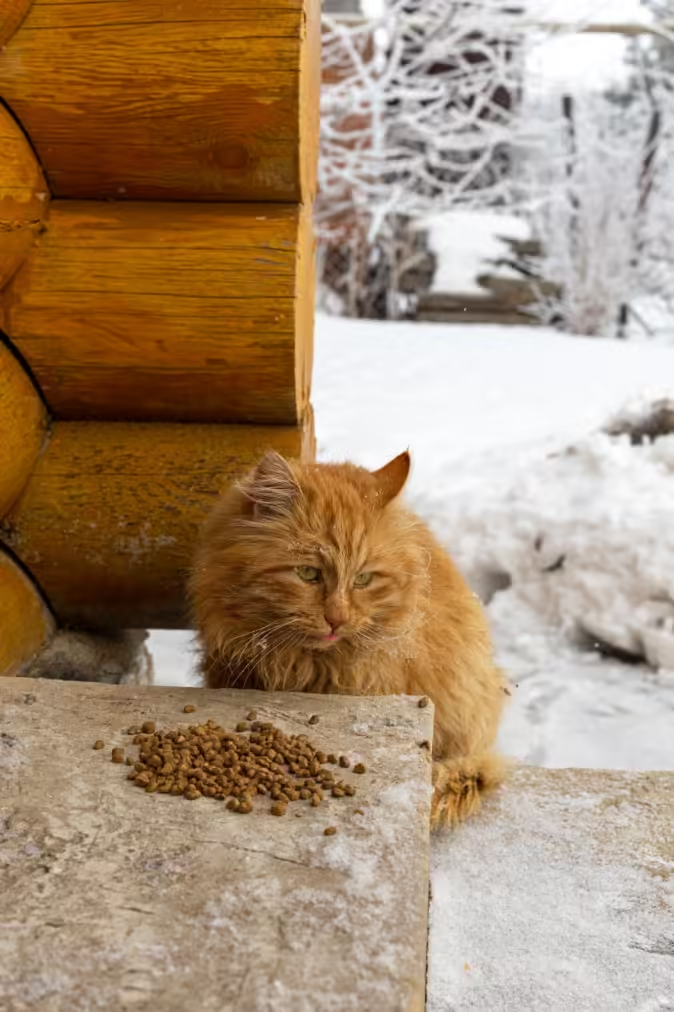
- More Safety: A shelter can be a safe haven from dangerous wildlife, vehicles, diseases and ill-intentioned human beings. If sturdy, it can also be a place to stay during hazardous weather conditions, cold winters, or heavy rain.
- Health and Well-being: Outdoor cats’ lifespans are shorter than those of indoor cats, thanks to all the things they are exposed to. Having a place to rest, take a nap, drink some water, and relax for a while can improve their lives a bit—even more if you give them reasons to come back!
- Nuisance behavior reduction: This can be a place for cats to stay away from each other and avoid conflict. It’s also helpful to make them stay away from stirring up the trash
- Overpopulation Prevention: If you are committed to helping your community and want to get a step further, you can make a very attractive outdoor cat shelter for them to come often. This will allow you to coordinate with rescuers or local shelters that can spay and/or neuter stray cats and prevent overpopulation in the area.
Overall, you’ll be helping the neighborhood by potentially solving aforementioned issues, while making local strays and feral cats’ lives a bit better.
This post contains affiliate links. As an Amazon Associate, I may earn commissions from qualifying purchases.
DIY Outdoor Cat Shelter Ideas
Igloo-Style Shelters / Styrofoam Shelter
You don’t necessarily have to spend a lot of money or make it fancy to call it an outdoor cat shelter. The important thing is that it’s functional first. After all, there’s always time for decoration later if you want to make it look more aesthetic!
An Igloo-style outdoor cat shelter is easy to build, so you can quickly have a functional shelter for the neighborhood cats.
Styrofoam is used for many DIY cat shelter crafts for a reason. If you want a cool project to work on, this is the one!
Wooden Pallet Shelter
Wooden pallets are often the source of material for many DIY projects. An outdoor cat shelter can definitely be built from pallets. It may be a harder challenge to build or insulate than Styrofoam or plastic, but you will end up with an incredibly sturdy structure you’ll be proud of.
Plastic Storage Bin Cat Shelter
Talking about plastic, if you happen to have a plastic storage bin at home, you can repurpose it into an amazing outdoor cat shelter. it’s a straightforward process so it won’t demand you much time to have it up and running as soon as possible.
For a quick cozy set-up, you can use straw and press it onto the floor to make ir comfortable for cats to sleep on.
Weather-Proof Shelters
Weather-Resistant Plastic Shelters
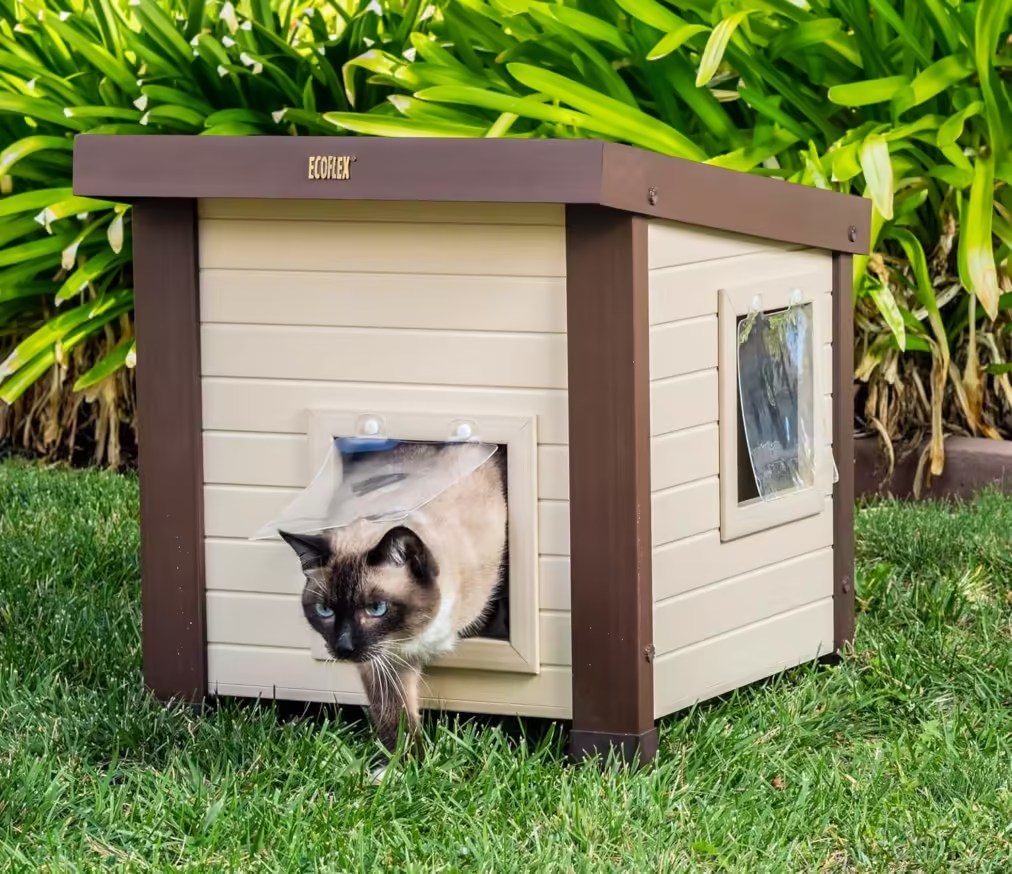
A weather-resistant plastic shelter can be an affordable option. It’s important that it can withstand hazardous climate conditions such as rain, snow, and wind to be a proper shelter. These are often insulated and provide a warm, dry space for outdoor cats.
A good example is this ecoFLEX feral cat house. It’s very popular and well-rated by people who are looking to get an affordable, easy-to-assemble shelter for street cats.
Insulated Wooden Boxes
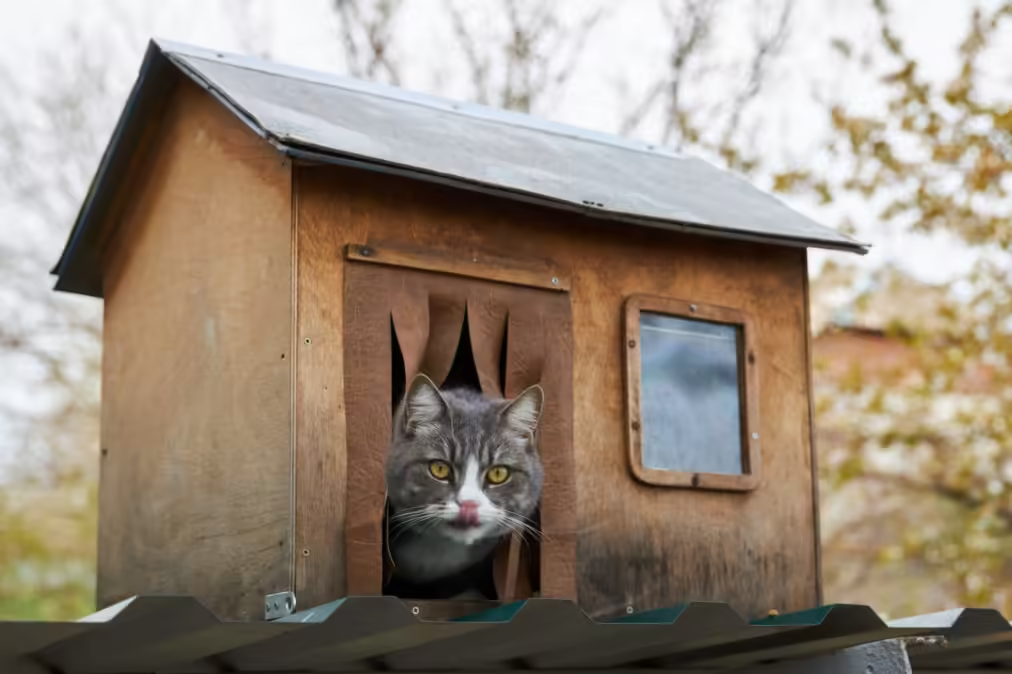
If you prefer something similar but with a structure made out of wood, you can definitely get something that works. Insulated wooden boxes provide excellent protection from the cold. This makes it a cozy refuge for outdoor cats during harsh winters for example.
You can DIY something similar to the photo above if you have the time and want to put in the work. Here’s another amazing wooden house idea:
If you’d like to get a wooden outdoor cat shelter, we can recommend this Ketive Insulated Cat House, which features an openable roof and an easy-to-access escape door.
Heated Cat House
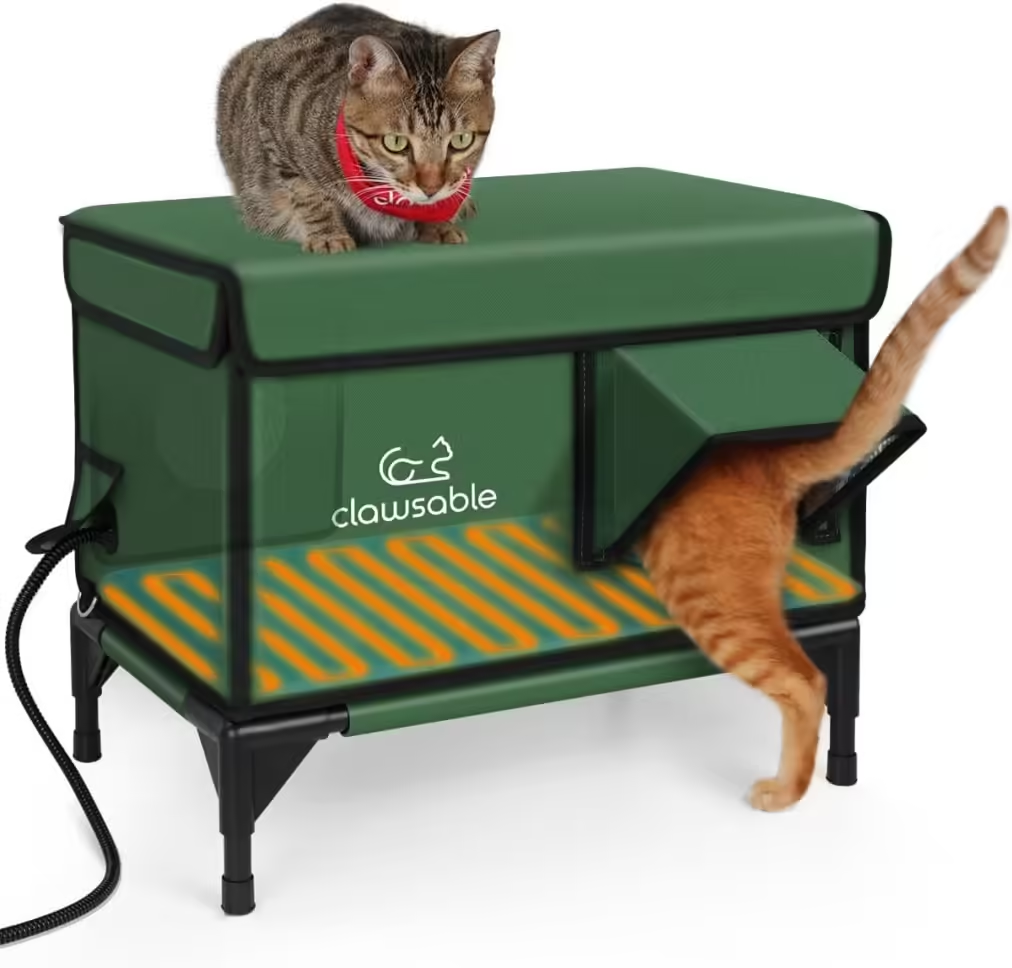
Heated outdoor cat houses were something new to me before making this list. With these heated houses, feral cats can enjoy a cozy refuge that’s sturdy, highly insulated, and waterproof.
Having ground clearance is very important to endure harsh weather conditions. An insulated interior, waterproof structure, a safe escape door, and overall structural toughness are all crucial as well.
For the aforementioned reasons, this Clawsable Heated Cat House is the best we can recommend to you when it comes to heated cat houses.
Camouflaged and Natural-Looking Shelters
Camouflage Cat Shelters
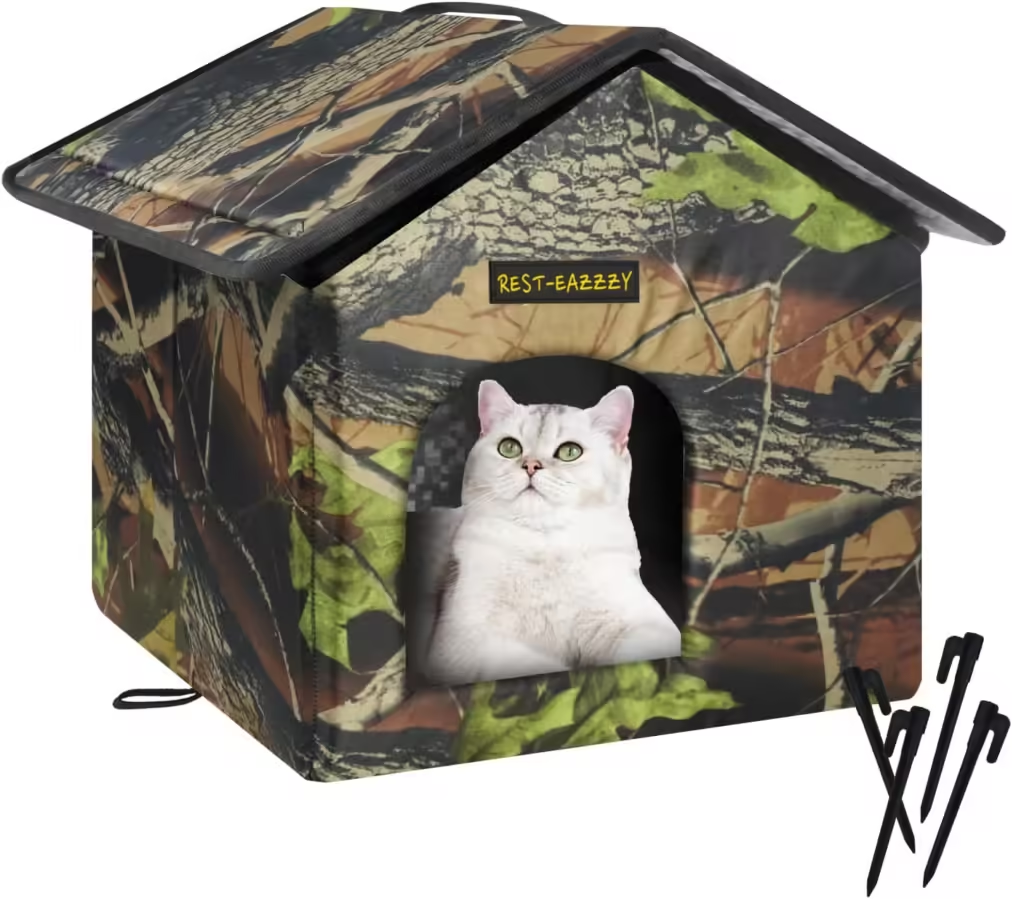
Some cat shelter designs take into consideration blending into the environment. This can be useful if in the area where you live wildlife poses a danger to the cats you intend to shelter.
Cats feel safer in these camouflaged refuges that blend with the surroundings. This makes them lower their guard, which helps feral and strays have a well-deserved rest while staying hidden from potential predators.
Green Roof Cat Houses
An original take on this camouflage idea is green roofs. If you choose the right colors and the right place, you can make a discreet but amazing cat house at the same time.
Make sure to insulate the interior to make it safe and cozy for visiting kitties.
Luxury and Comfort Shelters
Multi-Level Cat Condos
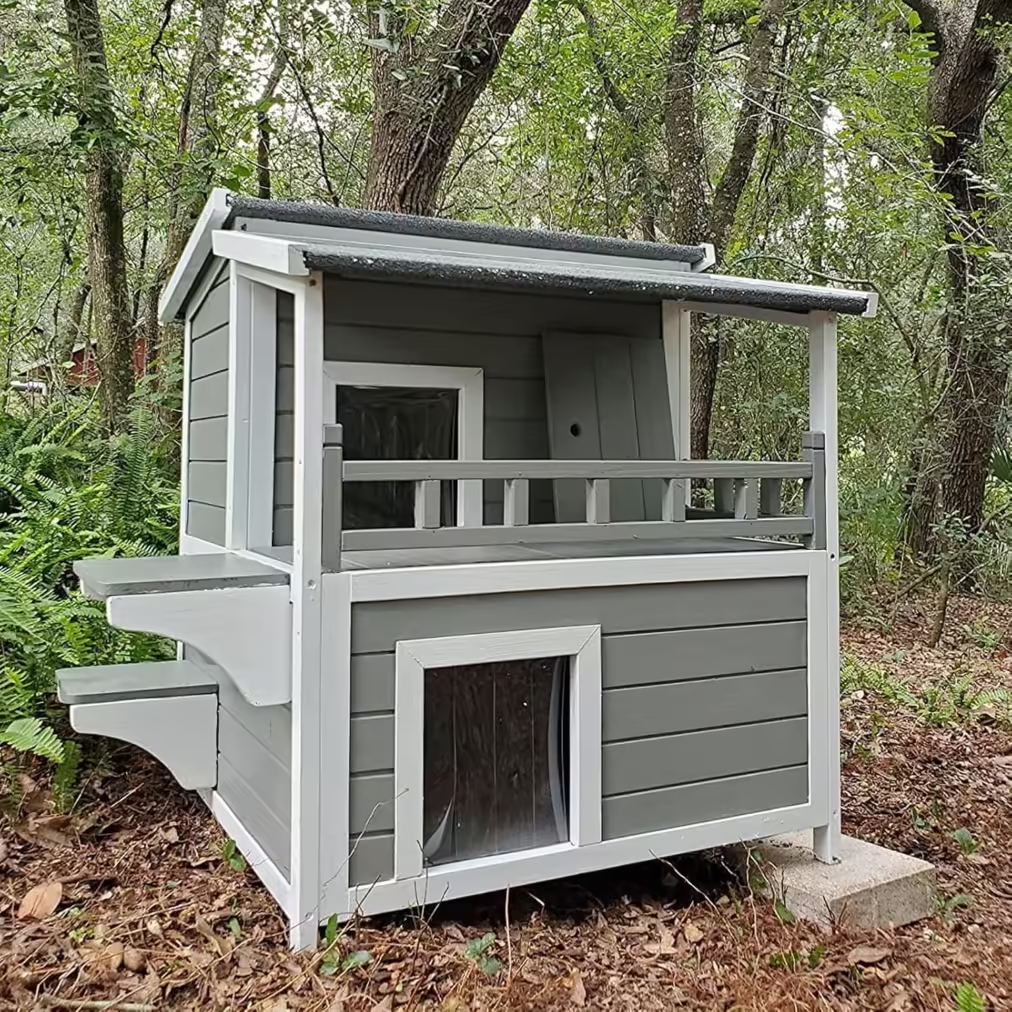
Cats love to be on top of everything. Imagine how happy a stray cat would be if they could spend time relaxing inside a cozy shelter, and then hop onto the second-floor rooftop to have an ample view of their surroundings. A Multi-level cat house can offer comfort and fun at the same time.
Insulated Wooden Cat Houses
Here’s some inspiration if you were thinking about building a beautiful wooden cat shelter. With the right materials, time, and taste, you can create a luxury outdoor cat shelter to be proud of!
Where To Put Your Outdoor Cat Shelter
Sheltered and Safe Locations
Under a Porch or Deck
Placing the shelter under a porch or deck provides an extra layer of protection from the elements and potential predators. If you have a tight garden space or want to keep the shelter close to your house, this can be a good idea.
Against a Building Wall
An alternative place could be next to one of your house’s walls, or a shed if you have one. Placing it this way reduces exposure to harsh weather.
Discreet and Hidden Locations
In a Quiet Corner of the Yard
You won’t go wrong if you choose a quiet corner of your yard. Cats enjoy silence, peace, and tranquility. Ensure the spot is as far away as possible from loud noises and busy areas you or your family usually are around.
Amongst Bushes or Shrubs
Remember we talked about camouflaged shelters? A great placement for those would be between the foliage, or under trees. This ensures a safe and quiet resting place for strays and feral cats that visit the shelter.
Elevated and Dry Locations
On a Raised Platform
Placing the shelter on a raised platform or sturdy table to keep it off the ground is helpful to prevent flooding, dampness, and intrusion by ground-dwelling insects.
What to put inside your outdoor cat shelter
Thermal Blankets
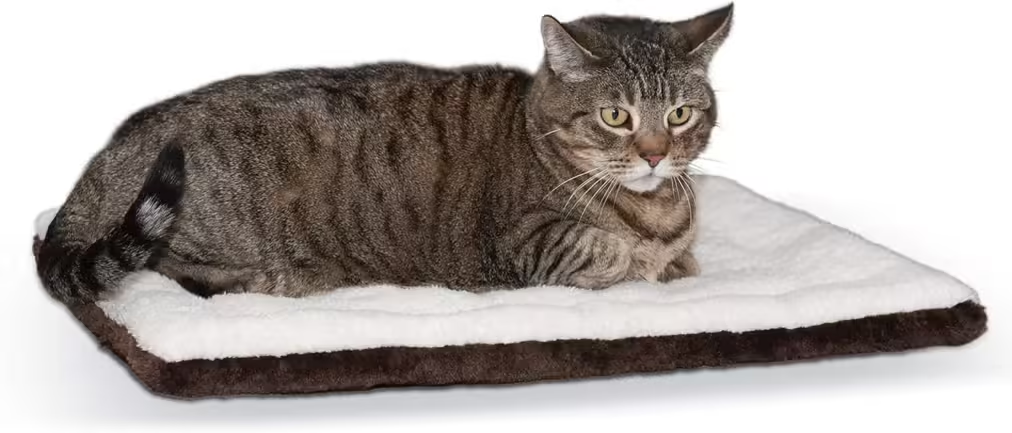
An insulated interior is mandatory for temperature control. You can go a step further and place thermal blankets that help cats preserve temperature even more. This can be useful if you live in an area where winter is usually harsh and insulation is not enough to keep cats cozy.
Cat Grass
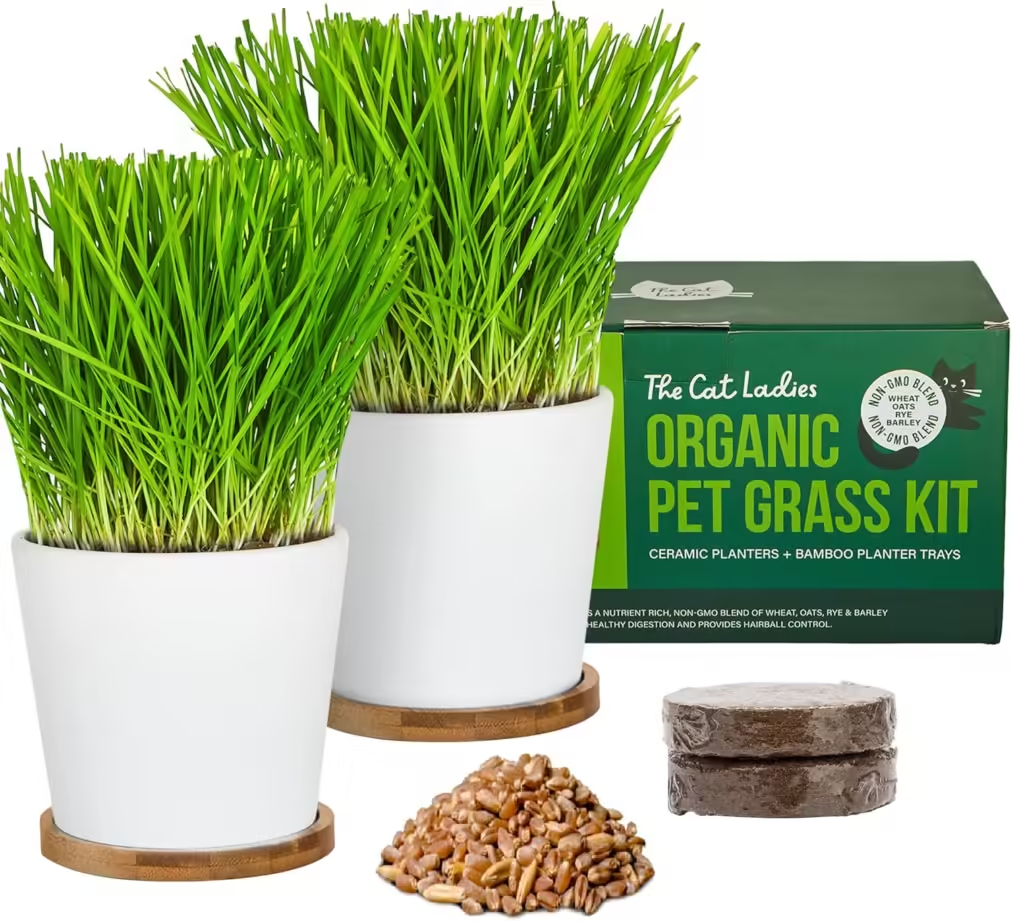
Planting some cat grass seeds inside your cat shelter can be really beneficial for stray cats. Grass is a powerful source of fiber, which cats that live outside probably lack but are in need of. It’s a rather inexpensive way to help their intestinal health.
Non-toxic insect repellents
It’s always best to prevent than to cure. If you don’t want your new shelter swarmed by insects, consider applying some non-toxic insect repellent to keep the cats safe and away from these unwanted guests.
Food And Water Bowls
It’s up to you if you want to offer your visitors a place that’s only to rest, or transform it into a sort of bed and breakfast by adding food and water bowls. However, adding a water bowl only is also great, as it helps cats stay hydrated and it’s inexpensive to refill.
Conclusion
As we’ve seen, there are many ways you can set up a cat shelter at home. I hope you can get to work on it as soon as you have time for it and start helping the kitties in your neighborhood!
Are you doing it yourself? or you are more comfortable purchasing one? Let other readers interested in having an outdoor cat shelter know which path you took