

Vegetables make up a big portion of our diets. We see them occupying a portion of the plate in almost every healthy meal example. It has been proven many times that we need to incorporate them into our diets to have a healthy life. However, does this translate to our feline friends? Do cats need vegetables in their diet? And most importantly: What vegetables can cats eat?
In this Ultimate guide, we will answer those questions and more. We will dive deep into what your cat’s diet should consist of, the benefits and risks of various vegetables, and other crucial information.
Do Cats Like Vegetables?
My cats are very curious about what happens around the kitchen. Smells attract their presence, making them want to know what is that thing that caught their nose’s attention. Whenever I gently approach the unknown vegetable,
A few things can happen:
One possibility is that they just smell it and then go on with their business. They can also try to taste it after smelling it. When this happens, Haru is usually the one who ends up vacuuming any particles from the floor, while Aurelio is more cautious and selective.
But one thing I recommend doing if you have cats is to let your cats smell the ingredients you are using while cooking. Presenting new odors can help them scratch their curiosity itch.
What I’m trying to say is that some cats love vegetables, while others couldn’t care less. Other cats may just be selective, and that’s another reason why you should let your cat smell vegetables. Otherwise, neither you nor them will ever know! and you could be indirectly forbidding your cats from enjoying the healthy veggies.
Vegetable Benefits for Cats
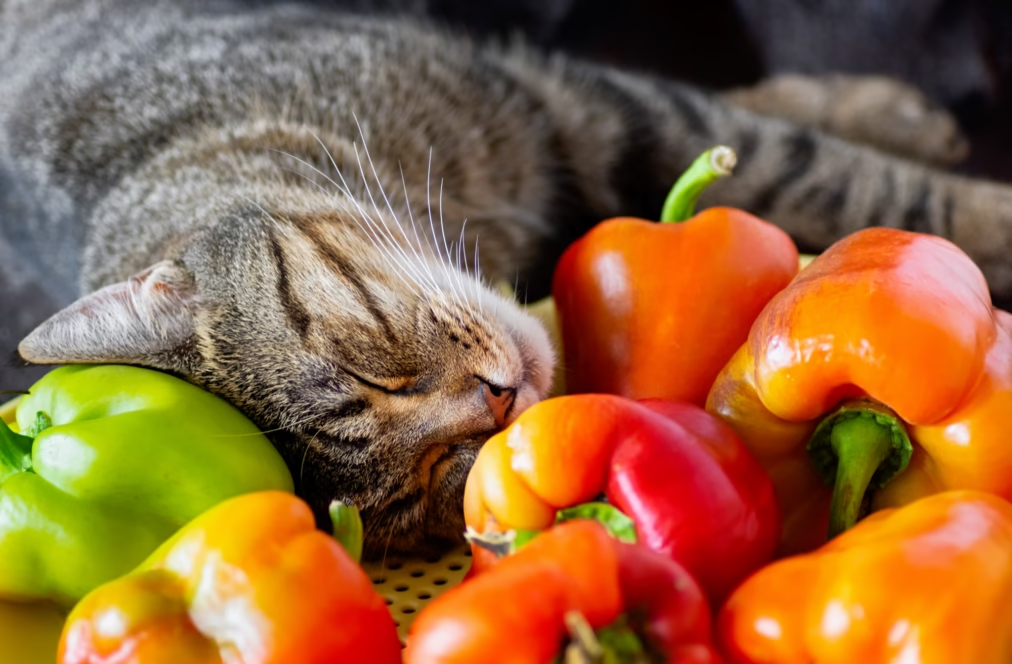
Are vegetables good for cats? They can find some benefits in vegetables, but cats should never be restricted to a vegetarian diet, nor have a more plant-based diet.
Cats are obligate carnivores, what does this mean? Their biological adaptations make it so their diet should be meat-based to obtain all the nutrients they need. Some enzymes can’t easily adapt to diet changes that diverge from what meat has to offer, such as protein.
Some vegetables have nutrients that even cats with meat-based diets find hard to obtain. However, due to their metabolism and ways of processing food, most times, their bodies aren’t able to reap the beneficial nutrients that the eaten veggie contains.
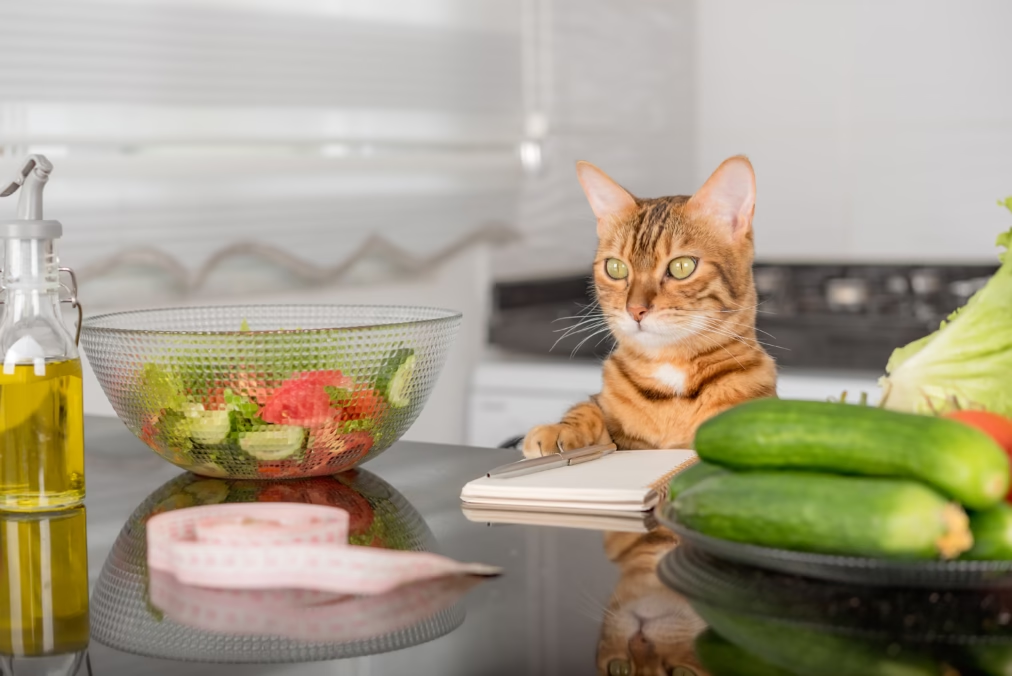
So yes, Vegetables are great for us humans, but for our feline friends? not so much. Cats’ dietary needs are based more on protein and fat, and vegetables provide mostly carbohydrates and hard-to-digest fiber. Although some veggies as snacks here and there won’t do any harm, cats aren’t able to absorb all the nutrients that vegetables contain, so they should never work as a dietary substitute but only as an occasional snack.
A great way to add vegetables to your cat’s diet is by making some special, homemade food. I, for example, prepare my cats a mash with cooked chicken breast and pumpkin (as we’ll see later, pumpkin can be very beneficial for them), and they love it! However, I didn’t do it just because i was looking to add vegetables to their diet. When I stumbled upon this simple recipe, I thought the best part was that it helped my cats stay hydrated while eating a yummy mash.
What Vegetables Can Cats Eat?
To give this broad question a comprehensible answer, we must first understand our cat’s dietary needs.
A Cat’s Diet should consist mostly of Protein and Fat, while carbohydrates should remain very low in comparison. According to the World Small Animal Veterinary Association (WSAVA), a wild cat’s diet usually consists of 55% protein, 45% fat, and only 1 to 2 percent carbohydrates. This serves as a guideline for domestic cats, too. While it is easy for your cat to eat more carbohydrates because they are generally present in dry food and in big quantities, you should try to keep them under 10-12%.

Most of the fat and protein can be easily obtained from a meat-based diet, but not so much from a plant-based diet. Plants will usually be a source of carbohydrates, but it’s not limited to it, as we will see later.
Most vegetables will be easier to digest for your cat if cooked and, if turned into a mash, even better! This makes them easier for their digestive system to process. Servings should be kept small, as the nutritional value of them for cats is generally tiny.
We will go in-depth analyzing the veggies that are good for your cat and the ones that are not. Some veggies can be safe if cooked but toxic if raw. For the sake of this list, we will cover them as well and showcase the best serving options. For the full list, remember to get the free printable PDF!
DISCLAIMER: I’m not a veterinarian and all serving size suggestions are just recommendations based on many studies about cat nutrition. Please consult your veterinarian before feeding any of these vegetables to your cat, as not all of them have the same needs and these are general guidelines.
Artichoke

Serving: One to Two cooked, Plain and unseasoned, bite-sized pieces.
Cats can safely eat artichokes in moderation.
Caution: Uncooked artichokes are tough to chew and very hard to digest, causing gastrointestinal discomfort and stomach issues.
Asparagus

Serving: Cooked, Plain and unseasoned, bite-sized pieces. Cooking is needed for softening
Caution:
- While Asparagus is not toxic to cats, the fern part of the plant is. Avoid giving this to your cat at all costs.
- The whole stick can be a choking hazard, therefore, the recommended form of serving is in small pieces.
- Asparagus are high in alkaline content. If consumed regularly, it can lead to a urinary tract infection/blockage due to the change of their urine’s PH.
Beets
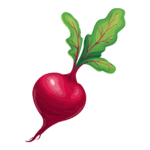
Serving: Cooked, Fresh, plain beets. Presentations: mash, puree or small pieces (to avoid choking hazard) in tiny amounts.
Caution:
- Avoid canned beets: This has added salt and preservatives that can be harmful to your cat’s digestive system.
- Oxalates are present in beets, this can lead to bladder stone formation in some cats
- Due to their acidic characteristics, beets can cause stomach upset to your cat
- Always feed beets cooked. Raw beets can cause intestinal obstruction
Bell Peppers

(Technically a fruit)
Serving: Steamed or pureed. bite-sized pieces, seeds removed.
Bell peppers are a safe snack for your cat. Good source of fiber.
Caution: Avoid giving your cat any spicy peppers.
Bok Choy

Serving: Cooked, cut into small pieces.
The Chinese cabbage can be given to your cat as a treat since it is non-toxic. However, due to its bitter taste at first, it will probably not attract your cat so much.
Caution: Giving it whole can be a choking hazard.
Broccoli

Serving: Cooked (boiled or simmered), without stems, cut into small, bite-sized pieces.
Broccoli is present in almost every “vegetable cats can eat” list and for good reasons. In small amounts, it can help them to mobilize their gastrointestinal system. plant-based diet advocates love it because they have a great protein content, although we do not recommend this diet.
Caution: Eating too much can lead to gastric irritation because of the muscles pushing food and waste through the gastrointestinal tract. Symptoms can go from gas to diarrhea.
Brussel Sprouts
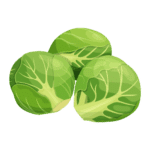
Serving: Cooked (boiled or simmered), cut into small, bite-sized pieces. No more than ½ per cat.
Caution: Brussel sprouts are similar to broccoli in the sense of the adverse effects. Because of the presence of isothiocyanates, improves the muscle’s ability to push food and any waste through the gastrointestinal tract, leading to gastric irritation, diarrhea, and/or gas.
Cabbage

Serving: Cooked, plain. Small portions.
Cabbage is completely safe if given in moderation. Eating too much can cause gas and, in some rare cases, a swollen thyroid.
Carrots

Serving: Always peeled and cut in small pieces. Cooked, frozen or raw. Always plain and unseasoned.
Carrots make for a great treat if your cats like it. It can help to improve their dental health. However, eating too much can cause the opposite effect.
Caution: never give your cat whole carrots, as to avoid choking hazard.
Cauliflower

Serving: Similar to Broccoli: Cooked, no stems or leaves. Given in small bites.
Great as a source of fiber, which can help your cat mobilize the intestine. However, eating too much can lead to gastrointestinal upset.
Celery
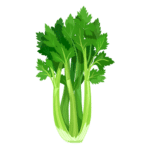
Serving: No more than ½ Stalk. Better cooked and cut into small pieces to prevent choking and ease the eating process.
Celery can act as a diuretic, and help your cat in the bathroom.
Caution: Maintain low portions to avoid gastrointestinal issues.
Collard Greens
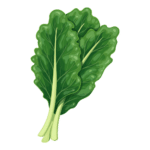
Serving: Cooked or raw (Preferably cooked). Serve in small pieces.
There are a few proven benefits for your cat in Collard greens. However, they are a great source of fiber. In moderation, it can help with digestion.
Cilantro
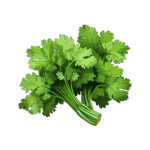
Serving: Chopped, raw
Also known as Chinese parsley, has no contradictions for cats. Some organizations such as the ASPCA list it as non-toxic.
Caution: eating too much can cause gastrointestinal disease, stomach irritation, and in some extreme cases, heart arrhythmia.
Corn

Serving: No more than ¼ tablespoon. Plain, unseasoned, uncooked and without the cob.
Caution: Corn also benefits your cat with fiber, but it’s very high in carbohydrates, so cats can have issues digesting it.
Cucumber

(Technically a fruit)
Serving: Fresh, uncooked, peeled, and in slices or bite-sized pieces. No more than 5 pieces
Cucumbers are mostly water, so if your cats like them as a snack, great! It will help them stay hydrated. But as with all veggies, feed your cat in moderation.
Caution: Cats should never eat pickles, as they contain added salt and sugar that can be harmful.
Fennels
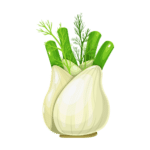
Serving: Chopped, apart from the leaves and stalks, you can include the stem.
Fennels are related to carrots and parsley, it has proven to be non-toxic and there are no drawbacks besides the consequence of eating in excess, which is gastrointestinal discomfort.
Green Beans

Serving: Maximum of 4 beans, cut into bite-sized pieces. Cooked, raw or frozen, unseasoned.
The string beans can be a safe treat for your cat. Always cut them into bite-sized pieces because the whole bean can be a choking hazard.
Jicama

Serving: Cooked, steamed, cut into bite-sized pieces, plain and unseasoned.
Jicama is a safe snack for your cat. It contains a good amount of water and it’s low in calories and sugar, while giving your cat some much-needed antioxidants.
Caution: Skin and seeds contain rotenone, overexposure to it can lead to nausea, indigestion, and gastrointestinal issues.
Lettuce

Serving: Bite-sized pieces, no dressing.
Cats can eat lettuce! Under the lettuce category, we include most of them, such as Green leaf, red leaf, Arugula, Iceberg, Romaine, etc.
WARNING: Kale IS toxic to cats and should be avoided. It can cause life-threatening anemia.
Mushrooms

Serving: Cooked. Sliced or chopped. No more than ½ tbsp
Mushrooms are in the gray zone. You should only feed your cat mushrooms from the grocery store, preferably organic.
Some of the safe mushroom variants are White button, cremini, and portobello.
Caution: Wild mushrooms can be very toxic and should be avoided at all costs, since consequences can be severe. Even if there are some safe variants, we recommend avoiding them completely considering all the risks and null benefits, just to be safe.
Okra
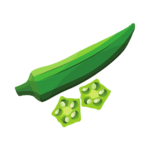
(Technically a fruit)
Serving: Cooked, cut into bite-sized pieces.
Caution: While Okra is non-toxic to cats, high amounts of okra can cause gastrointestinal upset, gas, and nausea. It’s okay as a very occasional treat, but there are better options.
Peas

Serving: Fresh or cooked. Plain, unseasoned. Maximum 1 tablespoon.
Cats can eat peas safely. Snow peas, sugar snap peas, and garden peas are all safe variations too.
Caution: Peas should not be fed to cats that suffer from kidney issues since they contain purine, which can produce too much uric acid, producing kidney stones and other kidney-related conditions.
Potato

Serving: Peeled, Cooked and plain. Bite sized pieces, or as a mash. Maximum 1 tablespoon.
Caution: You should always serve your cat cooked potato. Raw potato contains high amounts of solanine, which is toxic to cats. Cooking the potato reduces the levels of solanine. Never give your cat french fries or any other potato fried in oil, nor with any seasonings.
Pumpkin

(Technically a fruit)
Serving: Plain, raw or cooked. In small bite-sized pieces or as a mash. Maximum 1 tablespoon
Under pumpkin, we also include any Squash variant (Acorn, Butternut, Spaghetti, Yellow, etc.)
This is one of the best veggies you can give to your cat and my personal favorite. It helps your pet with a good supply of fiber and other much-needed nutrients. If given as a mash, you can add some water to help with hydration.
Caution: Do not exceed the recommended serving amount. Too much can cause gastrointestinal issues, it is also too high on calories for a cat to eat in excess.
Radish

Serving: Peeled, small bite-sized pieces.
Cats can eat radish since it’s not toxic. However, it can cause stomach discomfort and gas. Always chop since giving your cat a whole radish can be a choking hazard. Radish leaves are also non-toxic. So don’t worry if your cat nibbles a piece.
Rutabaga
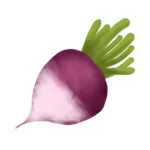
Serving: Cooked and mashed. no more than ¼ of a piece
Rutabaga is closely related to turnips, they are believed to be a hybrid of turnips and cabbage. If cooked properly, they are a safe snack while also being low on calories.
Spinach
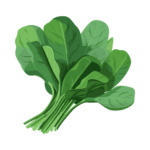
Serving: Plain, fresh, and raw. no more than one leaf is recommended.
Caution: While Spinach is not toxic to cats, it’s not a great treat either, as spinach is high in oxalic acid, which can lead to kidney damage because it blocks the body’s ability to absorb calcium.
Sweet Potato

Serving: Ripe. Cooked, peeled, in bite-sized pieces, or as a mash. Plain and unseasoned.
Sweet potatoes are completely safe for cats but it’s important to serve them cooked and as ripe as possible.
Caution: Feeding your cat raw sweet potato can cause intestinal upset and/or blockage.
Turnips
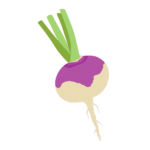
Serving: Cooked, in small bite-sized pieces or as a mash.
it can also be served raw. But, as we disclosed in the beginning, it’s always better for your cat to eat cooked veggies.
Caution: Avoid giving turnips to cats with thyroid issues. Keep portions small to avoid digestive issues.
Parsnips

Serving: Cooked, in small bite-sized pieces or as a mash
Closely related to Turnips, Parsnips are also completely safe for cats!
Caution: Avoid giving Parsnips to cats with thyroid issues. Keep portions small to avoid digestive issues.
Zucchini

Serving: Bite-sized pieces of plain, unseasoned zucchini. Either Cooked or raw. Better peeled and seeds removed.
Zucchini is safe for cats to eat. It is low in calories and a great source of fiber. It can also help with hydration, as it is mostly water, like cucumbers.
This summer squash is one of a selected few veggies that are considered good for cats.
Vegetables That Are Toxic To Cats: The No-No List
As we’ve seen, cats can actually eat a lot of vegetable variety when consumed in moderation.
The No-no list is actually not too long, fortunately:
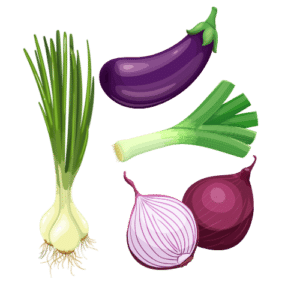
Onions and all of their close relatives from the allium family are on this list:
- Garlic
- Scallions
- Shallots
- Leeks
- Chives
These are all toxic to cats and should always be avoided. Apart from gastrointestinal irritation, consuming these vegetables can lead to anemia or organ damage.
Parsley and Kale also join the list. They are toxic if eaten even in small amounts, especially Kale. However, a nib or a few leaves will probably do nothing if your cat accidentally eats a piece.
Eggplants contain a lot of solanine (Tomatoes too), even more than potatoes. Cats are better off skipping the nightshade family entirely just to be safe.
Back to mushrooms, the toxic ones are mostly in the wild. If you like to go out for walks with your cat and wonder what plants to avoid, remember to keep your cat away from all the wild mushrooms in sight!
Avocados should be avoided, too. They contain a substance called persin, mostly present in the skin, leaves, and pits of this fruit.
Rhubarb is toxic to cats too, as it contains a high amount of soluble oxalates, which are toxic to cats.
What About Beans? Can Cats Eat Beans?
In general, yes. Cats can eat beans since the grand majority of beans are non-toxic.

We humans usually incorporate legumes into our plates because they bring some much-needed protein and are easy to mix & match with other foods.
Despite cats needing a big intake of this macronutrient, they won’t be able to process it all, since cats’ bodies aren’t meant to digest plant-based protein, so they usually have a hard time with digestion if the intake is too high for them.
Despite this, sometimes beans are added as part of the ingredients for commercial food. This is not necessarily a bad thing, but keep in mind that cats are obligate carnivores. Therefore, meat-based diets are generally the best way to go.
When we talk about safe beans, we mean cooked, plain and unseasoned beans. Seasoning can be toxic to your cat and should always be avoided when giving them food that’s meant for us.
Some examples of safe beans are:
- Green Beans
- Pinto Beans
- Black Beans
- Chickpeas
- White Beans
Dangerous Beans For Cats
be aware of some products that can be harmful to your cat:
- Canned Beans: If you generally buy canned beans, these are not recommended for your cat. Canned beans usually contain added seasonings, and are high in salt. Too much salt can harm your cat’s kidneys.
- Baked Beans: Similar to canned beans, these can contain artificial sweeteners that harm your cat.
- Raw Beans: Raw beans can be even harder to digest for your cat. Always cook them before serving.
- Cacao and Coffee Beans: While technically seeds, you should never give them to your cat cooked, raw or otherwise. These contain caffeine and a chemical compound called theobromine which is very harmful to cats. It can act as a diuretic, make their heart rate go up, cause gastrointestinal upset and nervous system upset
- Jelly Beans: Obviously, but to clear all doubts: You should never give your cat jelly beans. Sugar is particularly bad for cats. Candy also contains artificial sweeteners that are very harmful to cats
The Best Way To Give Your Cat Plant-Based Food
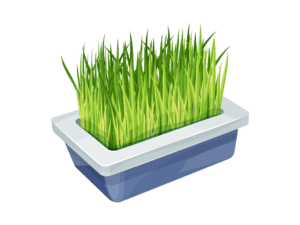
Although we do not recommend any type of diet over the other since this will depend on each cat, In most cases a good addition or complement is cat grass.
If you want to incorporate some vegetable fiber into your cat’s diet, the best thing to do is to offer them cat grass. This can be from wheat, oat, barley, or rye grass for maximizing the benefits. Cats love it, and it helps to control hairball formation as well. Don’t look any further!
We hope this post was helpful to you and in the end, for your feline friend. Remember that veggies should be snacks, and not whole supplements to their current diet!
Check out our recently uploaded post: Can cats eat seaweed?