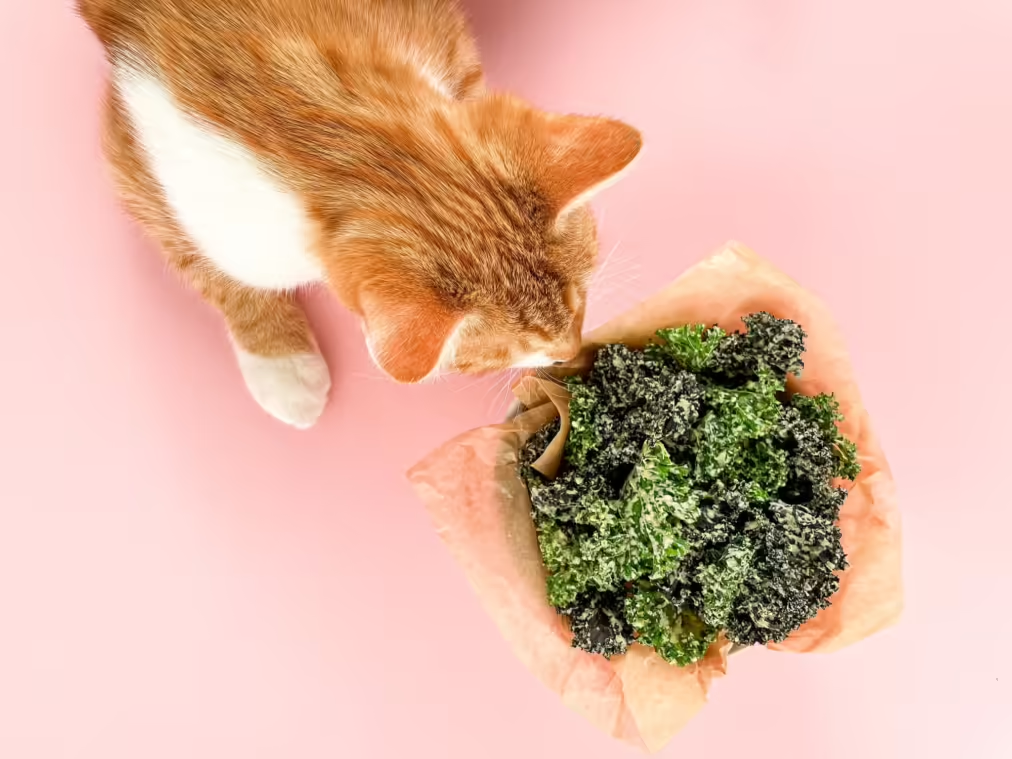
Did you know that there are over 12.000 species of seaweed? Playing such a big role in reducing pollution and keeping our oceans cleaner, these algae deserve great respect!
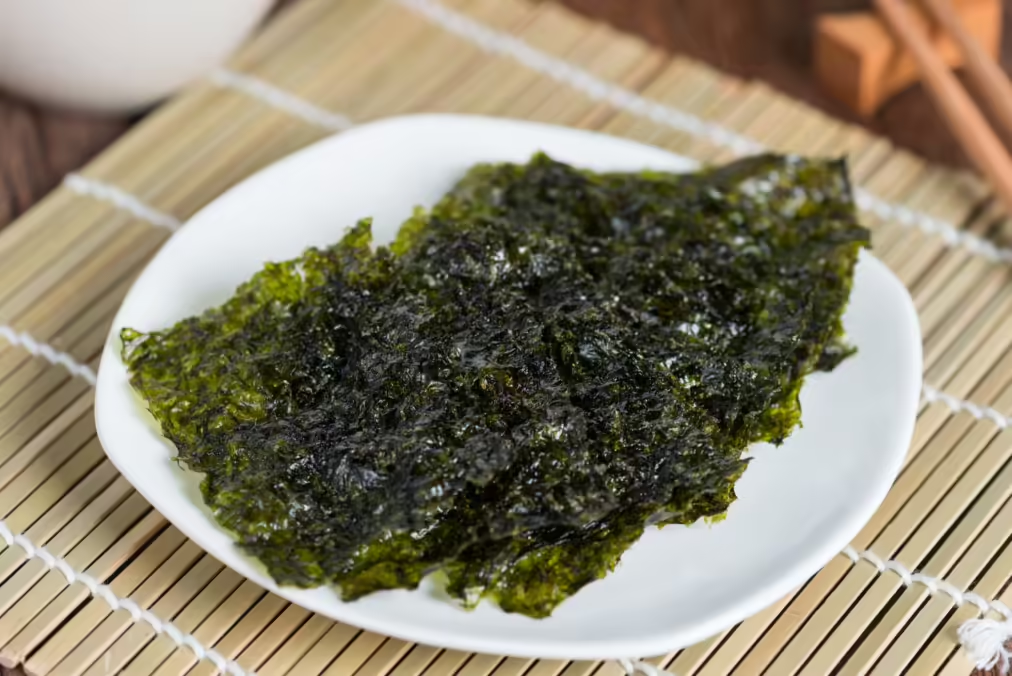
Not only that, but most seaweeds are nutrient powerhouses, making them an attractive inclusion in our diets. Some snack enjoyers find dried seaweed treats to be addictive as well. Finally, those who love sushi know that their favorite food comes wrapped in crispy nori sheets.
But what about our feline friends? Can cats eat seaweed? Is it possible to share this superfood with them? Luckily, yes! cats can eat seaweed. However, not all algae has the green light for our kitties, while those that do, should only be consumed in moderation. Cats with certain special needs should probably stay away as well. In this article, we go over the potential benefits and risks of feeding seaweed to your cat, while we also give you tips on how to feed it to your cat safely. Finally, we answer common questions regarding this subject.
This post contains affiliate links. As an Amazon Associate, I may earn commissions from qualifying purchases.
Understanding Your Cat’s Dietary Needs

Before offering our cats any seaweed variety to our cats, it’s important to understand how cats extract the nutrients they need from food.
Did you know cats are obligate carnivores? This means that our feline friends get the nutrients they need from meat-based diets. This makes more sense when we look at the ideal macronutrient profile of a cat’s diet, which should consist of a great amount of protein, a bit less fat, and a minimum of carbohydrates. Cats’ main source of energy is protein, not carbs.
But, some plants do offer a great deal of protein, so why can’t cats have thought-out, plant-based diets instead? The main reason is that being obligate carnivores, their digestive system is not as proficient in extracting nutrients from vegetables and other plant-based meals. When cats eat too much of these foods, they often end up with a nutritional imbalance, gastrointestinal upset, and diarrhea/vomits.
While some commercial cat food varieties often include vegetables, such as sweet potato, they are only an added ingredient and never the main component of the meal. Many vegetables are safe for cats to eat, but this doesn’t mean there are many benefits for them in doing so.
Some cats love the taste of seaweed and other common human foods and it’s okay to share a bite if the food itself is considered safe for them. However, these edibles should only be considered treats, and never replace any part of a cat’s regular diet.
The Challenge of Maintaining Your Cat Hydrated
Many cats refuse to drink water. Others are picky when it comes to the bowl size or material, and how can I forget about the water fountain haters (My cats detested it, and many more do)? When facing this uphill battle, it’s only common to wonder if there are any other ways to keep cats hydrated. While we can all tacitly agree not to offer Coke to our cats, other beverages fall in a grey zone.
Fortunately, some foods have high amounts of water, and so it happens that seaweed is often 80-90% water. Don’t give it to your cat just yet! We’ll get to that, but there are a few clarifications we need to make before determining if seaweed is safe for cats.
TIP: Are you having a hard time keeping your cat hydrated? Try offering them zucchini! This veggie is 95% water and it’s safe for cats to eat.
Is Seaweed Good For Cats?
While cats can eat seaweed in moderation, the discussion of whether is good or not for them is a different one. Seaweed is often considered a superfood for humans, but this doesn’t mean it’s the same for our feline friends. Maybe they don’t reap all the benefits, but they are potentially getting some, as many veterinarians recommend seaweed supplements of the spirulina variety for cats with specific nutritional needs.

4 Potential Benefits
1. Source of Vitamins And Minerals
There are many vitamins and minerals present in this superfood. Some of the most beneficial for cats are:
- Vitamin A: Supports the immune system
- Vitamin K: Contributes to bone health and aids in the blood clotting process (faster healing of injuries)
- Vitamin E: Plays an important role in maintaining a healthy coat and skin.
- Calcium: Important to maintain strong bones and healthy teeth.
- Iodine: Seaweed is one of the best sources of Iodine. This mineral regulates and supports the thyroid function while also aiding in metabolism regulation.
2. Antioxidant-rich
Seaweed is a great source of antioxidants. These help to neutralize harmful free radicals in a cat’s body. This is beneficial for them as it reduces inflammation and potentially protects against certain diseases.
3. Improved Digestive Health
Like many other plants and vegetables, seaweeds are rich in fiber. This food component is essential for cats as it helps them with their digestive function. As a bonus, fiber can make cats feel full, Thus, reducing hunger. This can contribute to a weight loss process for overweight cats.
4. Rich in Omega-3 Fatty Acids
One of the main reasons to introduce seaweed to cats can be the great amounts of Omega-3 fatty acids it contains, particularly eicosapentaenoic (EPA) and docosahexaenoic (DHA), which are vital for your cat’s brain function, immune health, and maintaining a shiny coat and healthy skin. In terms of Omega-3 contents, this puts seaweed only behind some fish like tuna, salmon, and sardines.
Types of Seaweed Safe for Cats
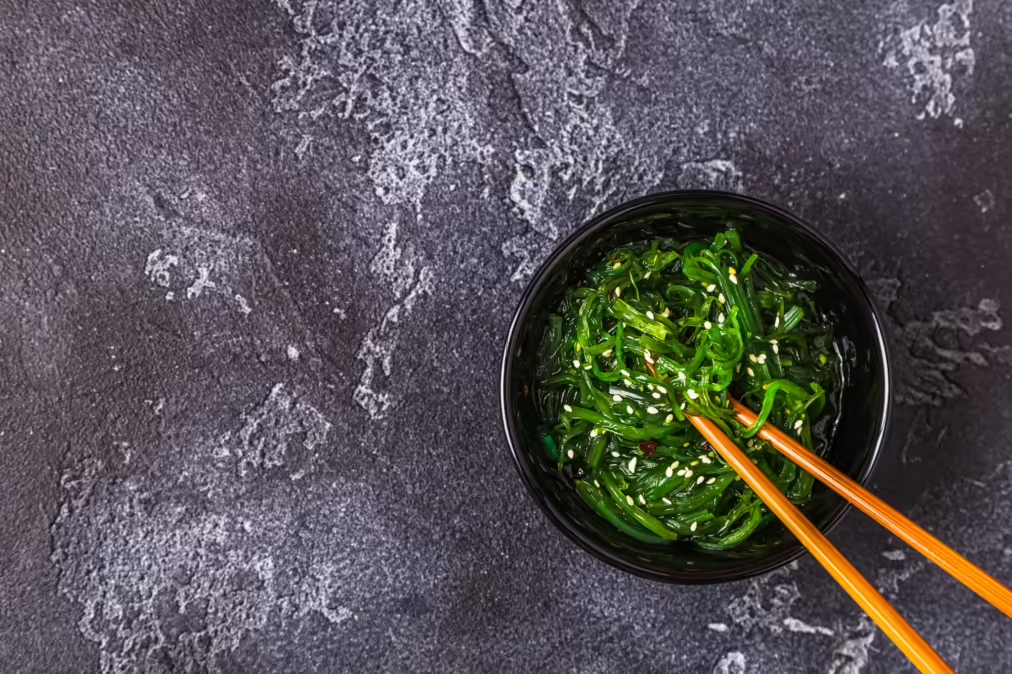
“Seaweed” is a rather general word, as there are many varieties of this algae. These are some of the most popular sea vegetables that are safe for cats as well:

- Nori: Nori is Rich in vitamin C, amino acids, and taurine, which is essential to cats. Promotes eye health and a strong immune system. It has antioxidant properties that support overall feline health.
- Kelp: Packed with iodine, calcium, and iron, essential for thyroid function, bone health, and blood formation. Some of kelp’s main potential benefits are to aid digestion and improve skin and coat condition in cats.
- Dulse: Known for its high potassium and magnesium content, which helps maintain muscle function and heart health in cats. Its fiber content also supports digestive health. (Note that cats don’t usually need additional potassium, it can be detrimental for them if consumed in excess)
- Chlorella: A nutrient-dense algae rich in protein, chlorophyll, and vitamins, it potentially helps detoxify the body and boost immune function in cats.
- Spirulina: Loaded with protein, antioxidants, and essential fatty acids, making it a powerful immune booster for cats. Research supports its role in enhancing coat health and vitality. Cats can eat spirulina, in fact; there many supplements for cats based on this nutrient powerhouse.
Risks Of Feeding Seaweed To Your Cat
While seaweed can offer many benefits for cats, it is not a risk-free food. These are some of the main reasons why:
- Hyperthyroidism Risk: While Iodine can be helpful to your cat’s thyroid health in small amounts, if they consume seaweed too often there’s a chance they develop hyperthyroidism. Always be mindful of serving sizes and frequency to keep this risk as close to zero as possible.
- Allergic Reactions: Not all cats are created equal. You must take note of how your cat reacts to seaweed. If you detect a possible allergic reaction through sneezing, coughing watery eyes, or skin rash, don’t give your cat seaweed anymore.
- Special conditions: Some cats have specific health issues that need special care. Be mindful of these when considering new snacks for your kitty.
- Possible toxins in certain seaweed: While most algae we can get at the grocery store is safe, be careful of specific varieties such as wild or uncooked kelp, also known as brown seaweed. These usually accumulate heavy metals and very high amounts of Iodine that can lead to intoxication and the aforementioned thyroid issues. You should also keep your cat away from Cyanobacteria (blue-green algae) as it is very toxic to cats if ingested.
How To Serve Seaweed To Your Cat
These are some tips on how to properly serve seaweed to your cat:
- Always cooked: These eliminate bacteria and other possible toxins, reducing risks.
- No seasoning: The seaweed you are to give to your cat must be plain and unseasoned, as most seasonings are toxic to cats.
- Cut or chopped into bite-sized pieces: Even if it’s not a hard vegetable, chopping seaweed into easy-to-eat pieces reduces the risk of choking.
- Only serve as an occasional treat: Never make seaweed a part of your cat’s regular diet, as these will create a nutritional imbalance that can lead to many issues related to malnutrition.
- Dried seaweed: If you plan on sharing this tasty snack with your feline friend, offer them only a few pieces of it, especially if the one you got has added salt.
Seaweed Supplements For Cats
This superfood’s benefits can be taken to the fullest extent with supplements. Many cats suffering from certain deficits in their diet would benefit from consuming seaweed supplements. These are commonly used to support the immune system and the much-needed omega-3 contents.
FAQ’S
Why does my cat like dried seaweed?
Some cats always crave treats. If you were on the couch snacking some dried seaweed and it grabbed your cat’s attention, you probably wondered if you could share some with your furry friend.
Luckily, yes! dried seaweed is not very different from its hydrated form in terms of nutritional value and safety for cats. However, these treats often contain added salt, which can be detrimental to feline health if consumed in excess.
Your kitty should be fine if you only offer it to them as an occasional treat.
Can Cats Eat Seaweed With Salt?
yes, but only in moderation. It’s best to keep salt out of the equation as if ever consumed in excess it can turn very dangerous. If you suspect your cat ate too much salt, watch out for symptoms like vomiting and diarrhea.
Can Kittens Eat Seaweed?
Kittens should never eat anything that’s outside of their vet’s recommended diet. During a kitty’s first weeks, they should only have their mother’s milk or a milk replacement. Even after that, it’s better to stick to their assigned diet for some months and wait until they grow older to give them any human food.
Is seaweed good for cats’ teeth?
Seaweed is a great source of calcium, which is great for maintaining your cat’s teeth healthy as well as their bones.
Conclusion
Seaweed turned out to be a rather safe alternative treat for most cats. This is great, as it packs a great deal of potential benefits for them. We always recommend you consult your veterinarian before introducing any new food to your cat, just to be sure.
Has your cat already tried seaweed? In what shape or form? Let other readers know how your experience was!