Loved because of its taste and regarded as one of the best alternatives to cow’s milk by many, coconut milk has won the hearts of not just vegans, but also many people who want a healthier diet.
If you ended up here, you probably have a cat and are wondering if you could share some delicious coconut milk with your furry friend. So, can cats drink coconut milk? Yes, cats can drink coconut milk in moderation.
Even if coconut water isn’t toxic to cats, there’s more to it. Cats don’t benefit too much from consuming this beverage. Additionally, many other potential risks need to be addressed. In this article, we will address those issues, while providing tips and factual information so you can make the right decision for your beloved kitty.
This post contains affiliate links. As an Amazon Associate, I may earn commissions from qualifying purchases.
What Coconut Milk Consists of
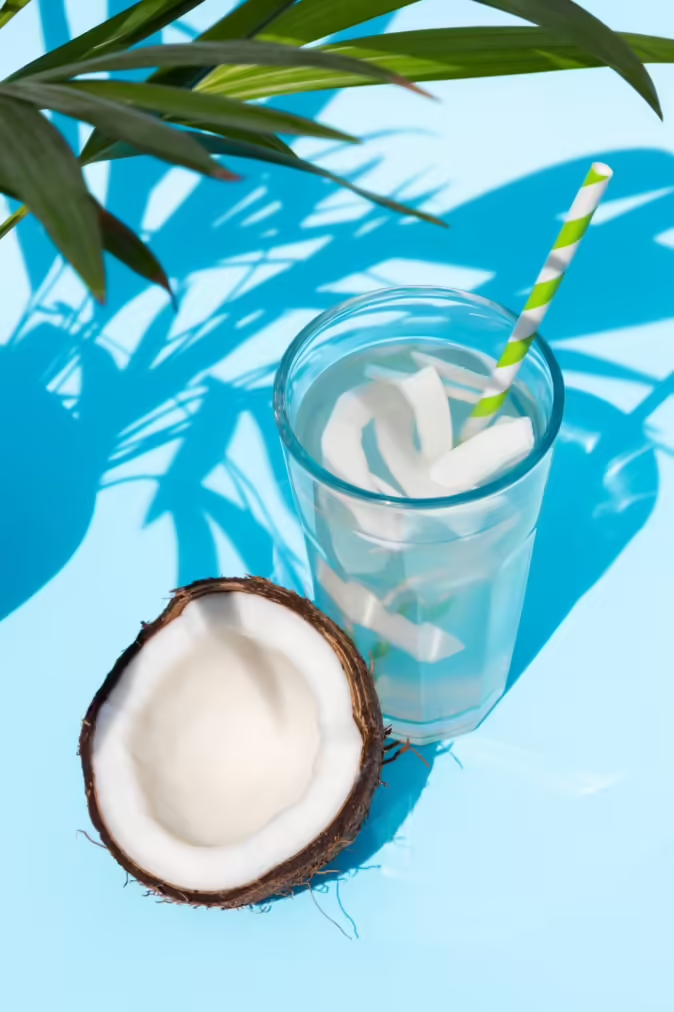
Coconut milk comes from the white, grated flesh of mature coconuts. It has a thick consistency which makes it opaque as well.
While popular among humans who are looking for a healthy diet, non-dairy products or to benefit from its healing properties, it may come as a surprise that it isn’t as good for cats. But why?
Coconut milk’s key components are mainly saturated fats, a product of its high oil contents. This product also contains natural sugar, at the same time, some brands found at grocery stores will present coconut milk with added sugars. Why do we highlight this? Because coconut and sugar are not part of any cat’s natural diet. In fact, cats can’t even enjoy the taste of sugar since they lack a sweet taste receptor.
Can Cats Digest Coconut Milk?
Did you know cats are obligate carnivores? This means they get most of their nutrients from meat-based diets. In a nutshell, because of the ideal diet composition, cats’ bodies aren’t great at processing the nutrients from plant-based meals, including coconuts.
Coconut in hindsight seems great for cats, as it contains high amounts of fat and protein, which are much-needed macronutrients in any cat’s diet. However, most of the time they won’t even reap the benefits from its consumption, as it will often lead to gastrointestinal issues since they lack the appropriate enzymes to break down plant protein effectively.
At least coconut milk has only one foot out of the door. As you may know, most cats are lactose intolerant. This puts cow’s milk out of the discussion from the get-go as even a small amount of dairy can cause most cats gastrointestinal issues. In that regard and even if it doesn’t benefit them, average, healthy cats could have a sip or two of coconut milk without issues.
Is Coconut Milk Safe For Cats?
In this case, safety will be strictly tied to serving size. Coconut milk is non-toxic to cats when consumed in small amounts. Intoxication can appear with overconsumption, which will often lead to stomach upset, resulting in diarrhea and/or vomiting.
Always consider coconut milk as an occasional treat only, and never force your cat to drink it. There are better treat options for your kitty, even coconut water is safer!
Are There Any Benefits For Cats in Coconut Milk?
It’s hard to say as there here are not enough studies that prove coconut milk provides benefits to cats. On the other hand, we know there are consequences to cats’ GI tract when they consume coconut milk regularly.
While for us humans is almost a superfood packed with essential vitamins and minerals such as calcium, magnesium, iron, and even omega-3 fatty acids, those benefits unfortunately don’t extend to cats.
Is Coconut Milk Better For Cats Than Cow’s Milk?
We could make some strong claims in favor of coconut milk if we were discussing the human diet. However, your cat can be exposed to illness by drinking any of these two. Cow’s milk’s main downside is lactose, while coconut milk’s high-fat contents make it unbearable for their digestive system.
Remember that cats do need fat in their diet, but not from coconuts! They are carnivores, so their main source of fat and protein should come from a meat-based diet.
Risks of Feeding Coconut Milk to Cats
Before offering any amount of coconut milk to your cat, it’s important that you know the potential risks:
- Obesity: As coconut milk is high in fat, regular consumption can lead to obesity over time.
- Store-bought Coconut Milk add-ons: Until this point, we referred to natural coconut milk. However, the coconut milk available at your closest grocery store could include additional ingredients that are dangerous to cats. The most common is added sugar.
- Allergic reactions: Some cats can have allergic reactions to certain types of food or ingredients. If you decide to give your cat some coconut milk, control them while consuming it to make sure they don’t have any allergic reactions. Look for symptoms such as itching or swelling. If you identify allergy symptoms, don’t offer them coconut milk anymore.
- Digestive issues: As cats lack the enzymes to break apart coconut in their GI tract, reactions such as an upset stomach, vomiting, diarrhea, and loose or mushy stools can occur.
Recommendations for Cat Owners
Keeping the risk as low as possible is essential when it comes to feeding coconut milk to cats. Follow these recommendations if you intend to allow your cat to have a sip of this drink soon:
- Serving Size Moderation: Keep it to the minimum, a few sips is all they should get.
- Consult veterinarian: This is especially true if your furry friend suffers from any food-restricting conditions.
- Look for alternatives: We have a guide that covers what can cats drink besides water that can be helpful to you when it comes to finding an alternative, we invite you to check it out to learn more about your feline companion’s true hydration options.
Coconut Milk VS Coconut Water, Which One is Best For Cats?
Short answer: Your cat is better off staying away from coconut altogether. However, we can open this debate only in the context of an occasional treat.
More than analyzing the benefits, we should consider potential risks. Coconut water is around 95% water, while coconut milk is only around 50% water, and a great deal of that remaining percentage are fats, which coming from coconut, are not very good for cats.
Coconut water’s main downside is its high amount of potassium. While cats do need potassium, they already generate the required amount by themselves, having no need for supplements of this nutrient. Ingesting large amounts of potassium can be toxic to cats.
All things considered, coconut water is safer for cats to consume than coconut milk. But it has its list of downsides. We deeply cover these in our article “Can cats drink coconut water?”
FAQ’s
What Kind of Milk Can Cats Drink?
Cats have no need for milk except young kitties. During their first weeks of life, they would get the milk they need from their mother. There are formulas specifically designed for kitties that can’t feed from their mom called kitten milk replacements.
Can Cats Have Coconut Cream?
Coconut cream is usually even higher in fat than coconut milk, so your cat should stay away from coconut cream altogether to avoid any gastrointestinal issues.
Can Kittens Have Coconut Milk?
Definitely no. Kitties should stay away from anything that’s not their mom’s milk or a kitten milk replacement formula.
Can Cats Have Coconut Oil?
Surprisingly, some industry professionals claim that coconut oil can boost a cat’s immune system. (If they tolerate it). Always consult with your veterinarian before introducing these types of supplements to your cat’s diet.
Conclusion
To sum up, even if coconut milk isn’t toxic for cats, the downsides outweigh the benefits in this case. Your cat is better off from it, as better, healthier treats exist.
Remember that coconut should only be considered as a treat, and never replace any food form your cat’s diet.
Has your cat tried coconut milk? How was the experience? Let other readers know what to expect!