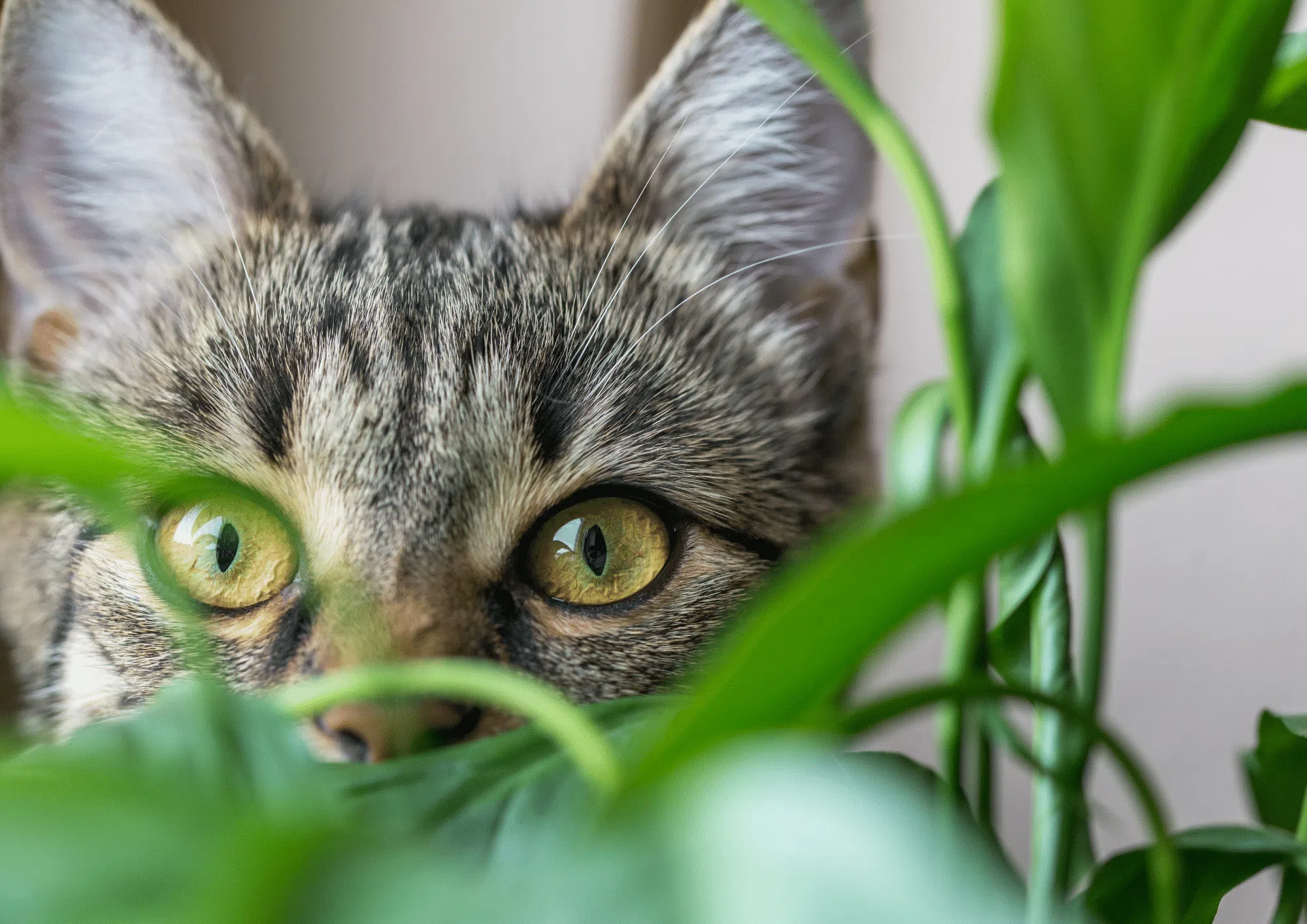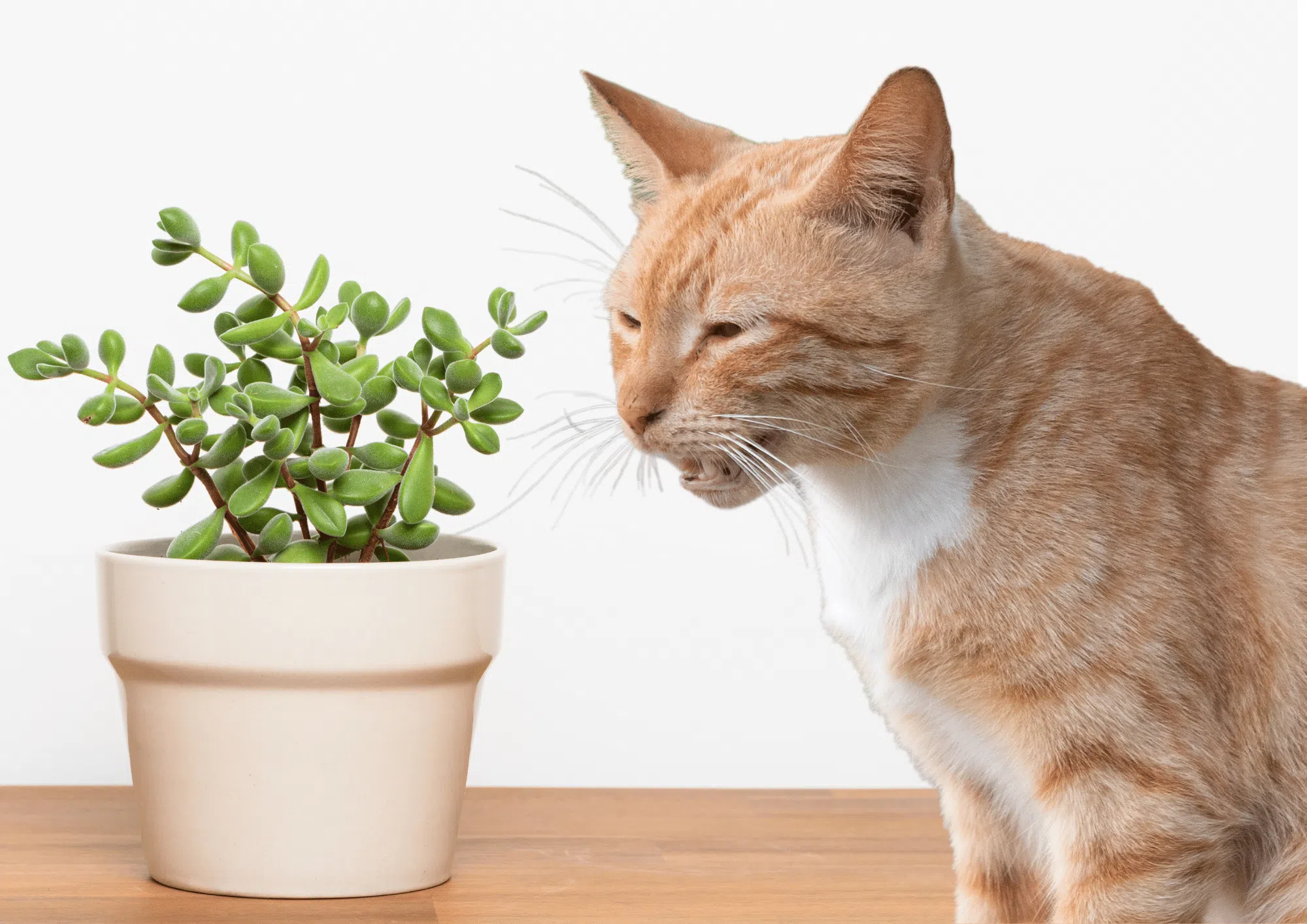
This succulent shrub can be beautiful to take care of and see it grow in our gardens. However, Is Rainbow Elephant Bush toxic to cats? The short answer is no! The Rainbow Elephant Bush is a non-toxic succulent that can safely coexist with your feline friend. However, this shrub can be easily mistaken with other toxic plants that share a part of the name and/or certain look similarities. We will go over those and explain what makes the Rainbow Elephant Bush stand out.
This post contains affiliate links As an Amazon Associate, I may earn commissions from qualifying purchases.
What is Rainbow Elephant Bush?
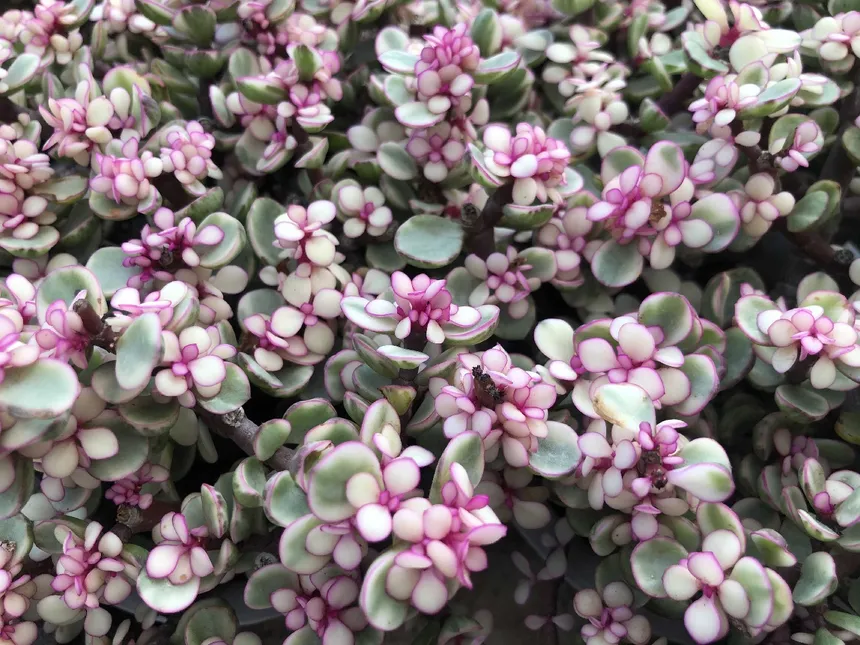
This plant goes by the scientific name Portulacaria afra ‘Variegata’, a stubby, perennial shrub with reddish-brown stems and fleshy white leaves. It can grow up to 10 feet (3 m) tall. Branches interwoven as the plant ages. This plant is edible for humans and very present in various African dishes. it’s named so because Elephants love to eat it. Bonus fact: It symbolizes good luck and fortune!
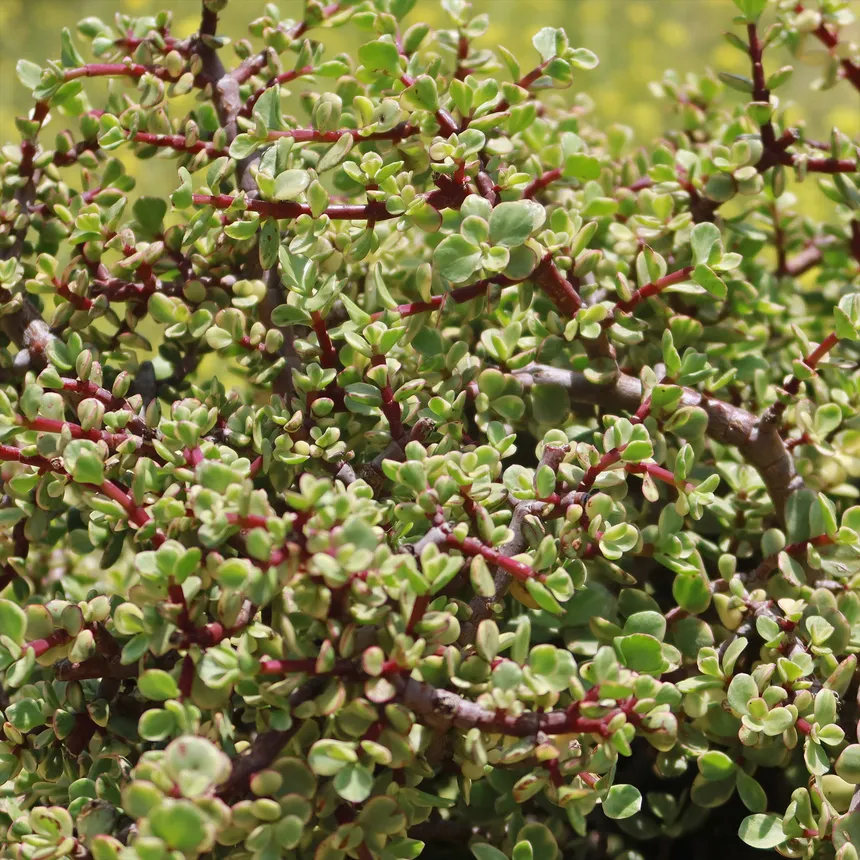
IMPORTANT: This plant should NOT be confused with Portulaca oleracea. (I’ve found that both have been intertwined and you can find mixed information on the internet) Your kitty’s life is nothing to be joking around about. If you are unsure about which plant you have or think your cat ingested Portulaca oleracea, call your vet immediately or the ASPCA Animal Poison Control Center (APCC) at (888) 426-4435.
The easiest way to differentiate one from another is its flowers. Rainbow Elephant Bush flowers are lavender-pink, whereas Oleracea flowers are yellow.
Is Rainbow Elephant Plant Poisonous to Cats?
As stated in the first paragraph, the Rainbow Elephant Plant is luckily non-toxic nor dangerous to cats. This is if we are talking specifically about the plant itself. You should always be cautious about the soil, fertilizers, pest control products and any chemicals that you use to care for your plant, as these are not always safe for cats to ingest.
Additionally, any plant can be dangerous for a cat if eaten too regularly or in big quantities. This plant binge can lead your cat to get gastrointestinal discomfort, which can end up in vomiting or diarrhea. In this case, you should get your cat to the vet as soon as possible.
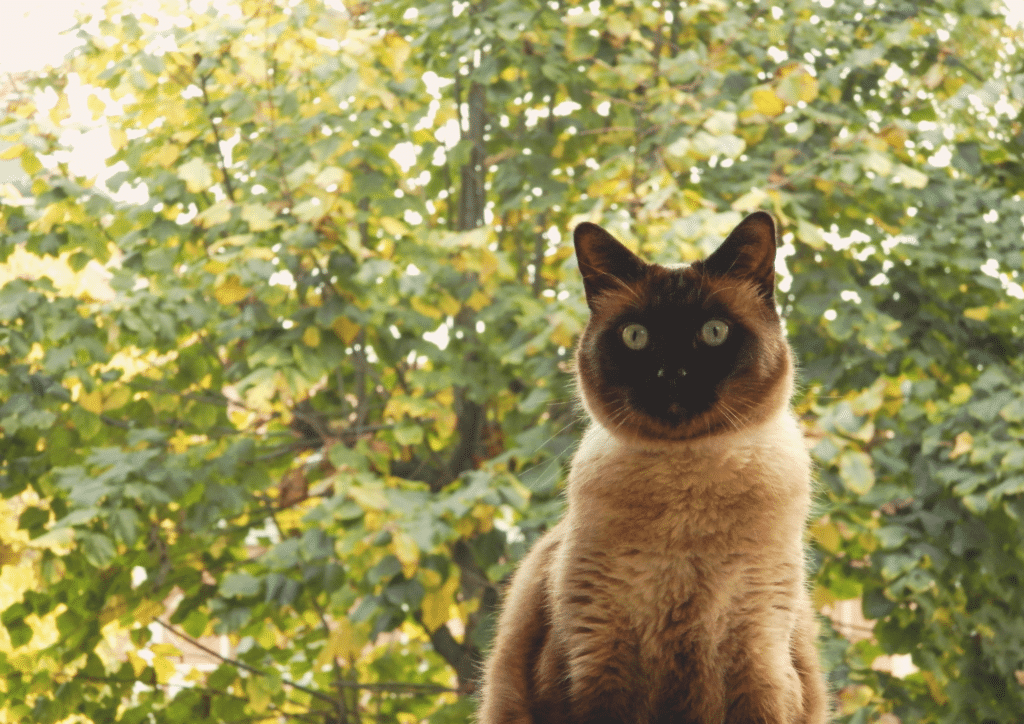
Should I Keep My Cat Away From My Rainbow Elephant Plant?
Ideally, it would be best if you kept your cats away from any house plants (Better safe than sorry). In general, this is hardly ever possible. So you should consider which plants can present the most danger to your kitty and try to keep those away.
You should ask yourself: “Am I using fertilizer?” “Have I ever used any pest control product?” “Is this soil safe for my cat?” And then assess if keeping the plant around is safe enough.
RELATED: Are orchids toxic to cats?
Safe Rainbow Elephant Plant Soil For Cats
The components of the soil are very important for your Rainbow Elephant Plant. You should be looking for a succulent and cactus natural mix that is rich in perlite. Chemical-free and all-natural soils are the best for your cat (and also for your succulent). Perfect if your cat likes to play with the soil around your plant.
Also, consider that fertilizer is not as necessary as in other plants. Only a small amount of nitrogen fertilizer should be used once a month during Spring.
How To Keep My Cat Away From My Rainbow Elephant Plant
Maybe because your cat is obsessed with your rainbow elephant plant, or given the reasons described before, you probably want your cat to stay away from your succulent. Here are a few ways you can do so:
1. Move the plant
This one is the most obvious. However, you should consider the Rainbow Elephant Plant requirements before doing so. This shrub needs around 4 hours of direct sunlight per day, so it cannot be stored in a dark room. Any high space that your cat can’t reach and has some decent light should be good enough.
2. Training your cat
Cats are stubborn creatures, but that doesn’t mean they can’t be trained. Maybe it’s difficult, but with enough positive reinforcement training, your cat can end up looking elsewhere. This process can take time, so be patient!
3. Use cat repellent
If you are away most of the day, an easy solution would be to start using a cat repellent on your Rainbow Elephant Plant. However, it’s not as easy as it sounds. Cats usually get bored if left alone too much time, and if their go-to plant is now unappealing, they will find another plant or object to play with, and maybe it’s one you didn’t want them to be tearing apart!
4. Get them their own grass
Cats eat plants because it helps them with digestion and it is a rich source of fiber to add to their diet. Why don’t getting them their cat grass, then? It can work as their own plant, and hopefully, they will find it even more attractive.
Take a look at this cat grass kit with everything you will need to get started!

Conclusions
The Rainbow Elephant plant is a great succulent to have at home if you have cats since it poses no direct danger. If you take the mentioned necessary steps to mitigate risks, your cat and your shrub can coexist peacefully under the same roof.
ALSO READ: Is Lipstick Plant Toxic To Cats?