

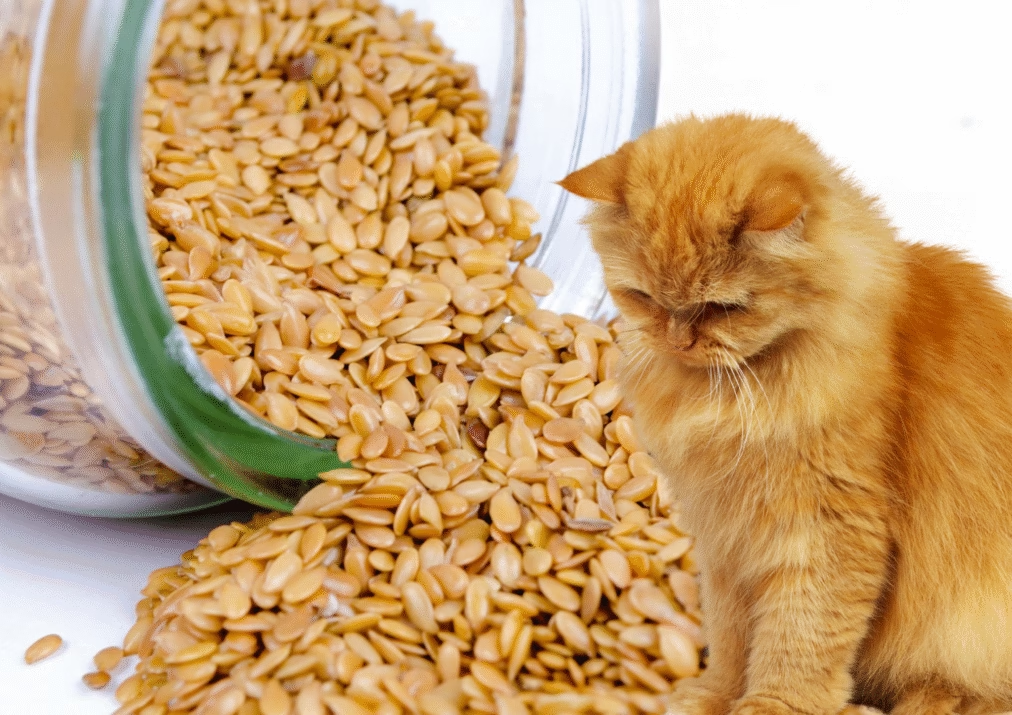
As you probably know, sesame seeds provide many benefits to our diets being a great source of fiber and vitamins as well as many nutrients that boost bone health, such as Zinc, Calcium, and Magnesium. However, is this true for cats as well? Are sesame seeds safe for cats? The short answer is Yes. Sesame seeds are safe for cats. Despite this, there are many things you should take into consideration before allowing your cat to eat sesame seeds.
This post contains affiliate links As an Amazon Associate, I may earn commissions from qualifying purchases.
Are Sesame Seeds Bad For Cats?
The nutritional values of sesame seeds can lead you to think they can be a good addition to your cat’s diet. However, cats are obligate carnivores. Thus, they get most of their nutrients from meat protein. Additionally, obligate carnivores can’t digest plants as efficiently, meaning they don’t get all of the nutrients that they need by eating them. Although sesame seeds are non-toxic for cats, the nutritional value of sesame seeds for them is not as great as for us humans. That being said, your cat’s diet should be more carnivore-focused, but a few sesame seeds here and there won’t do any harm.
Sesame seeds are safe for your feline friend to eat, generally speaking. However, foods such as dates are not recommended for your cat because of the high amount of sugar.

KEY TAKEAWAY: your cat can safely eat sesame seeds. However, as an obligate carnivore, their diet shouldn’t be based on plants and seeds.
What Benefits Do Sesame Seeds Have For Cats?
Sesame seeds are very healthy and, on paper, they contain many beneficial nutrients for your cat:
Main Vitamins:
- Vitamin B6: For a Healthy metabolism.
- Vitamin E: For Keeping a healthy heart.
Main Minerals:
- Calcium: For healthy bones.
- Zinc: For a better immune system.
- Magnesium: Heps to lower blood pressure.
- Iron: For Proper blood function
As we mentioned before, sesame seeds are also rich in fiber, which is very important for cats to have on their diet since it helps keep the digestive system in good shape. The best, easy-to-digest source of fiber for your feline friend is cat grass.
Sesame seeds are also a great source of plant-based protein, This might be good for you, but your cat won’t be able to obtain all of the protein, and neither will it be the best source of protein for them.
As mentioned before cats are obligated carnivores. Cats can’t get the best out of Plant-based protein as their digestive system won’t process all of the nutrients present in the sesame seeds. Cats don’t need plant-based proteins, but they DO NEED meat-based proteins for a healthy diet.

Is it Necessary To Give Sesame Seeds to your Cat?
Purposely feeding your cat sesame seeds is unnecessary. Let this blog post be more of a reference in case your cat accidentally eats sesame seeds, or if you want to give them a few ones to see if they like them. They are more beneficial in your food plates!
If you feel that your cat is lacking some of the nutrients mentioned, or you know that they have weak bones and some extra calcium would help them, Don’t think that sesame seeds are life savers: They won’t heal any conditions on their own, nor you should feed them to your feline friend with that purpose.
All of the nutrients can be obtained from better sources. We recommend that you ask your vet for the best-balanced diet for your cat since every cat has their own needs.
RELATED: Can cats eat ants?
Risks For Your Cat Eating Sesame Seeds
You should control the amount of sesame seeds your cat gets to eat. If they eat too many, it can cause them gastrointestinal discomfort, as cats don’t have it easy to digest plant-based protein. This is one of the reasons why you should try to focus on giving them meat-based protein.
A high intake of sesame seeds can also harm the intestine of the cat and present symptoms such as diarrhea and digestion problems. If this ever happens, you should contact your vet immediately!
Dental issues may arise, too. Sesame seeds are very tiny and can end up between your cat’s teeth and cause gum or teeth infections. Any food that gets stuck in your cat’s teeth can lead to bacterial infections. This is one of the reasons why taking care of your cat’s teeth is very important, too.

How To Safely Feed Sesame Seeds To Your Cat
Any amount of sesame seeds you decide to give them should be approved first by your vet, as this will depend on many factors such as their weight, age, activity and any health conditions.
You should give them toasted or boiled sesame seeds while keeping an eye on them as they eat. When they are finished eating, it’s important to brush their teeth. As we mentioned before, seeds can get stuck between your cat’s teeth and cause infections.
Conclusions
As we’ve seen, it’s no big deal if your cat eats a few sesame seeds. here are some key takeaways:
- Avoid giving them a high intake of seeds.
- Brush their teeth after they eat the seeds.
- You should be good providing them as a snack, if your cat likes them.
- The nutrients present in sesame seeds can be obtained from better meat-based protein sources.
Has your cat tried sesame seeds? How was your experience? We’d love to know!
ALSO READ: Are Orchids poisonous to cats?


Really appreciated the balanced tone in this post — it’s so easy to assume that because something is healthy for humans, it must have similar benefits for our pets. One point I’d gently expand on is the idea that sesame seeds are a good fiber source for cats. While they do contain fiber, obligate carnivores like cats don’t digest plant fibers particularly well. In fact, for digestive support, options like plain canned pumpkin or specifically grown cat grass tend to be more effective and safer.
Also, it might be worth noting that sesame seeds’ high omega-6 fatty acid content, without balancing omega-3s, could potentially promote inflammation over time in cats if consumed frequently — though of course, most cats aren’t exactly scarfing down sesame seeds daily.
I actually covered this topic in detail on my blog as well, including the risks of sesame oil and tahini, and what to watch for if your cat sneaks a bite: [https://catsquestion.com/can-cats-eat-sesame-seeds/]. Might be a good complementary read for anyone interested in the deeper nutritional breakdown.