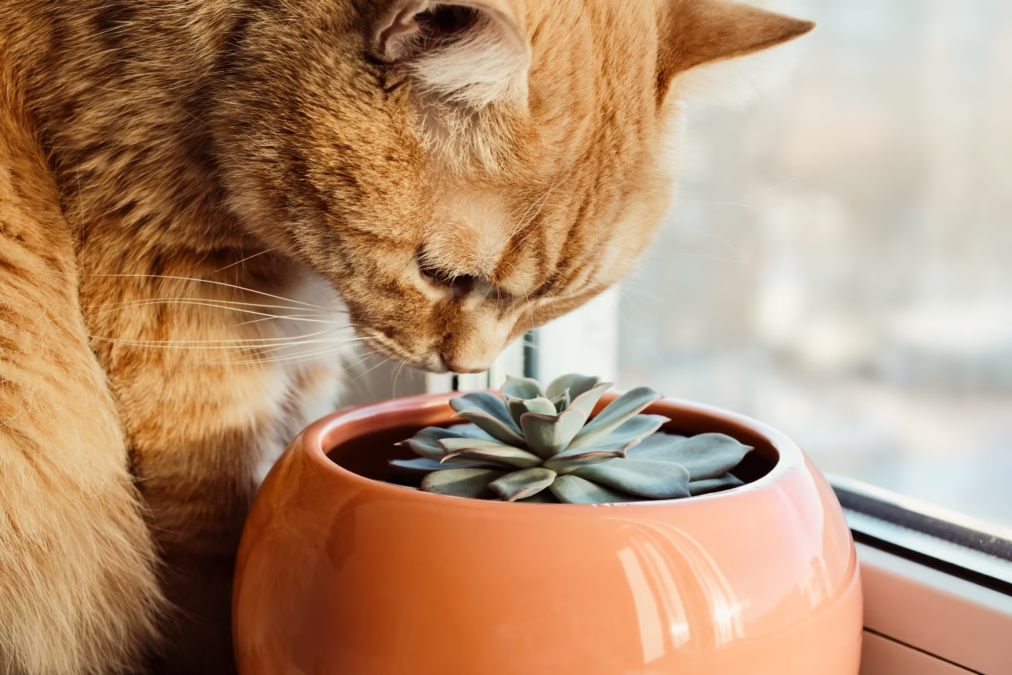
Succulents have succulent qualifications to be the perfect house plants for those of us that don’t have a knack for taking proper care of most plants; being so easy to maintain and care for. If you have cats, however, you’ve probably wondered: Are succulents safe for cats? The short answer is that most succulents are safe, but this varies from plant to plant.
Toxicity grade can also vary from a mild stomach upset to more serious symptoms.
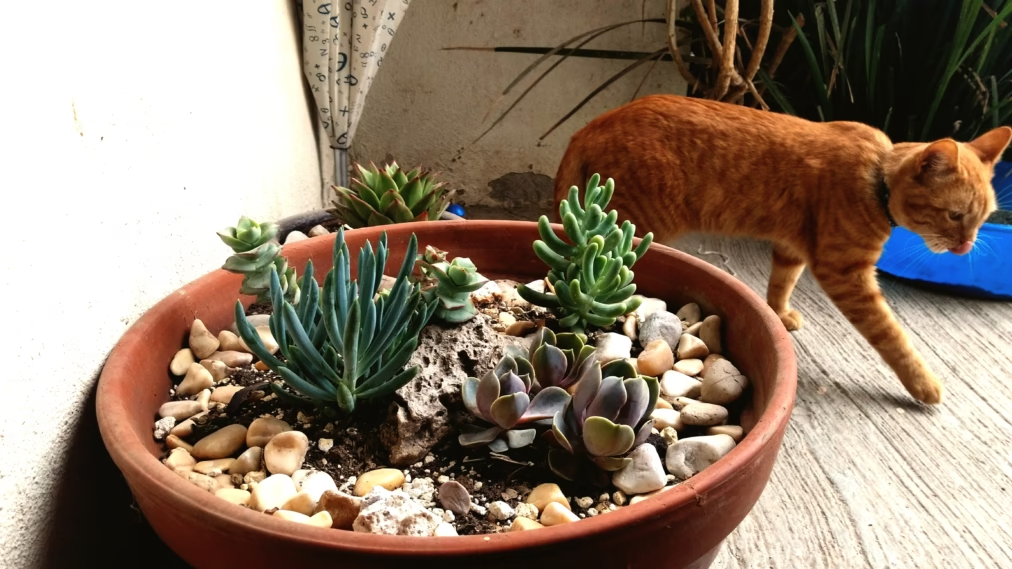
In this post, we’ll cover succulents that are toxic to cats, which ones are safe, and other elements to consider besides the plant itself for your kitty’s well-being around these plants.
No time to read now? Pin for later!
Are Succulents Safe for Cats? – Important Considerations
As it’s the case with most plants and flowers such as orchids, the safety of a plant will sometimes vary depending on the species. This is the case with succulents as well, as some of these fleshy-leaved plants are toxic to cats, despite most of them being rather safe.
Bear in mind that when we talk about “succulents” we are referring to a category of plants and not a single species, as they are very varied.
The main factor when it comes to safety is TOXICITY. This is mostly a range, as some succulents may only produce a mild stomach upset if a nib is ingested but others could imply more serious symptoms. In this regard, even if it’s nothing to worry about, any succulent and plant could produce a small tummy upset to your cat.
Succulents That Are Safe for Cats
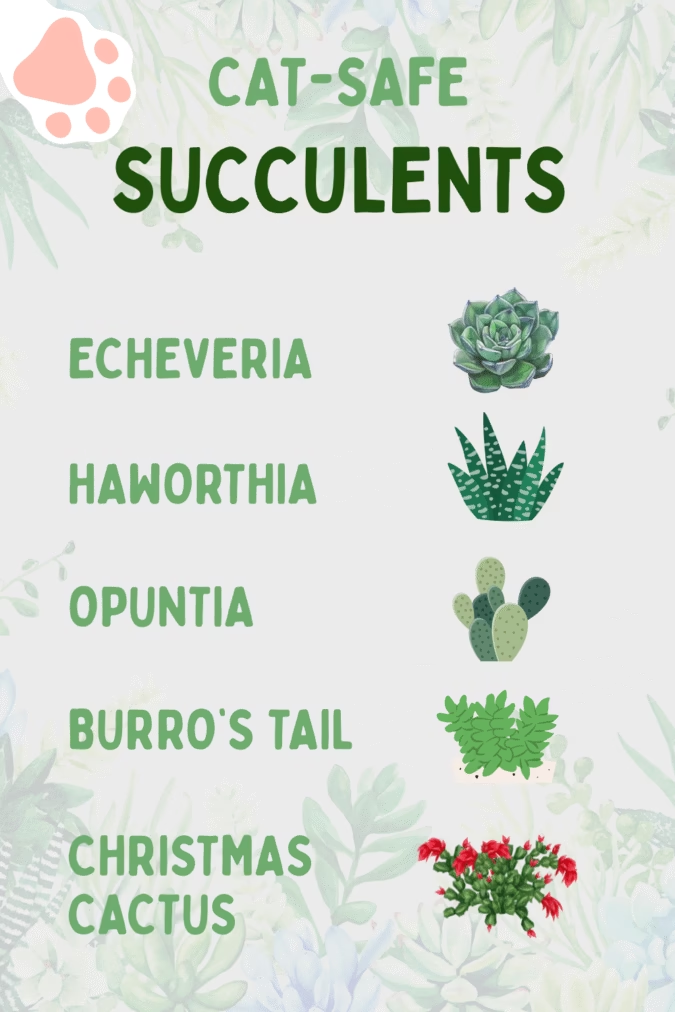
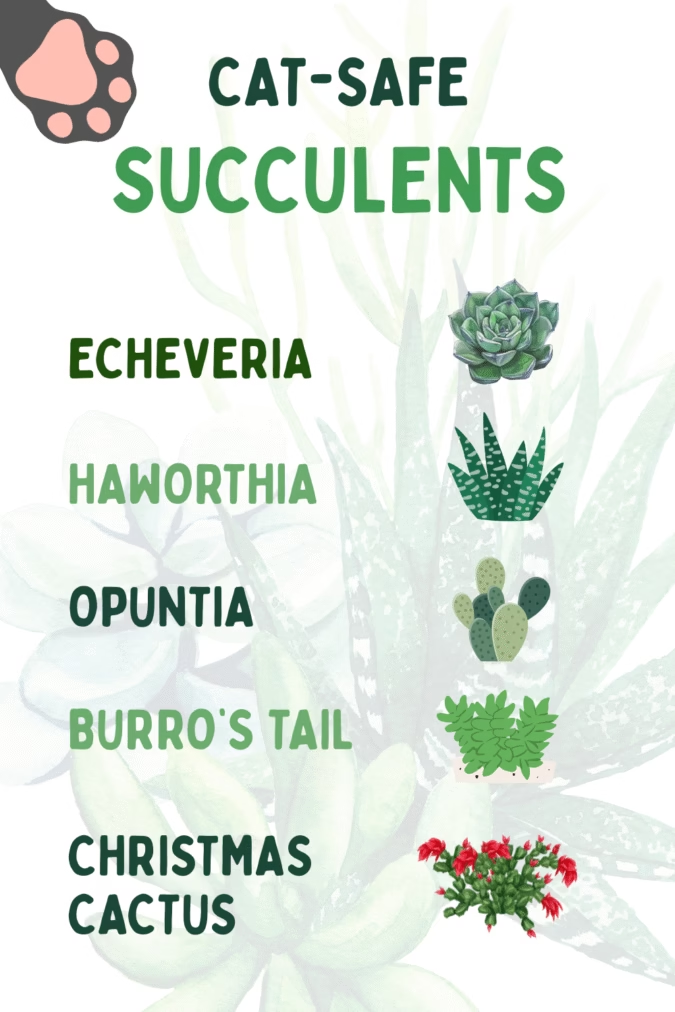
All of the succulents present on this list are considered cat-safe according to ASPCA and vet sources:
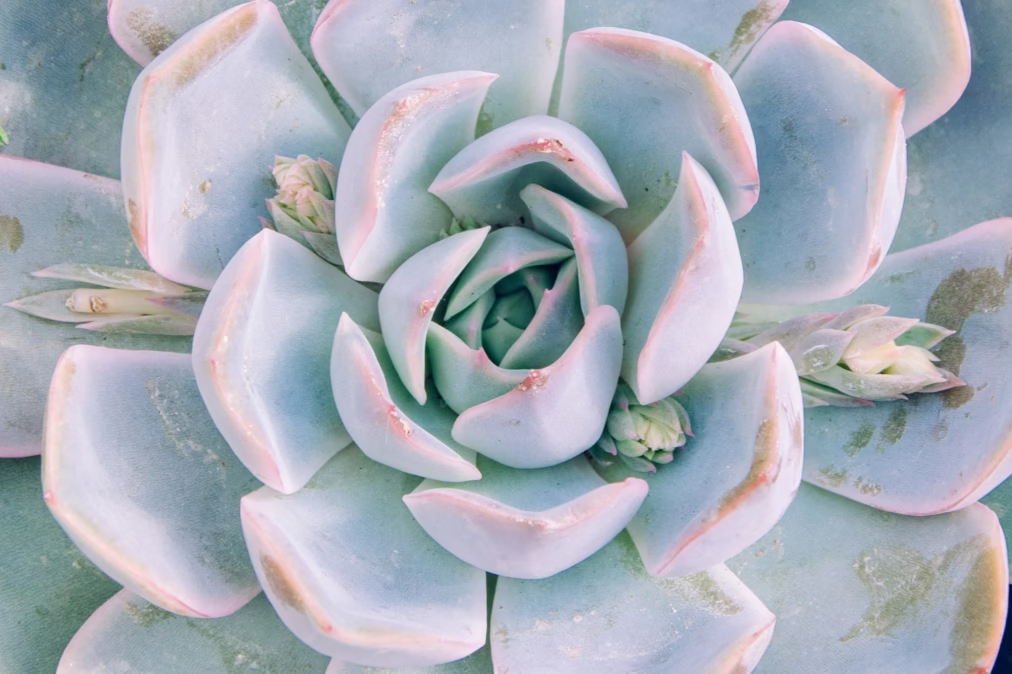
Echeveria
Echeverias are amongst the most popular and pet-friendly succulents out there. they come in a wide variety of colors and with beautiful rosette shapes. Best of all, they’re non-toxic to cats according to the ASPCA. Even if your beloved kitty takes a nibble, you won’t need to panic.
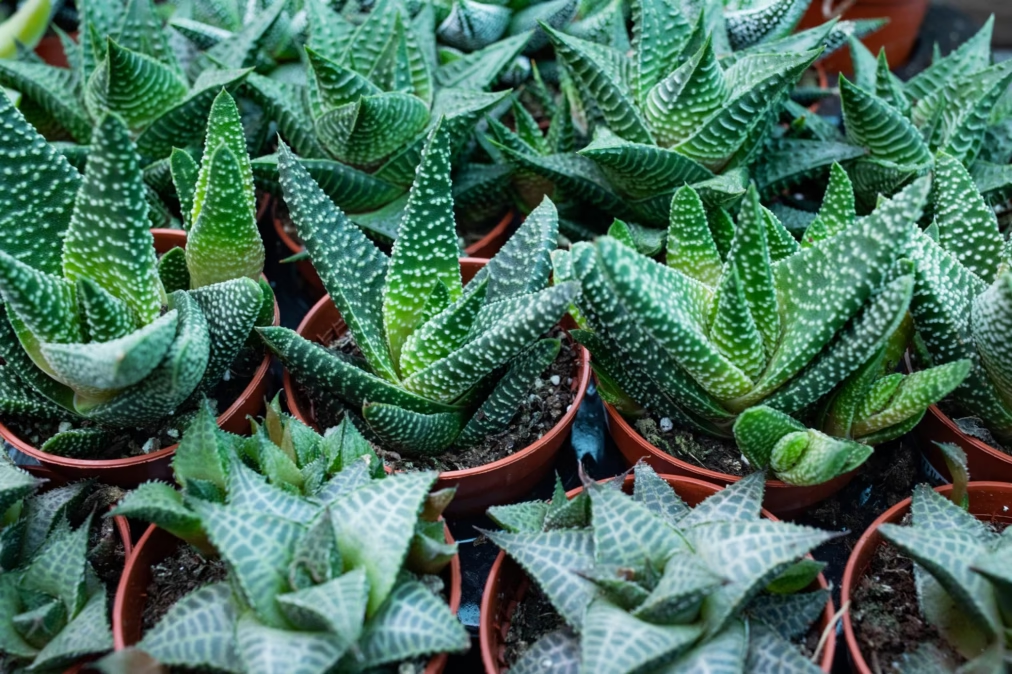
Haworthia
These small, spiky succulents look a lot like aloe; but unlike aloe, they’re completely safe for cats. Their compact size makes them ideal for indoor placement in shelves or desktops. Great pick for cat-friendly homes.
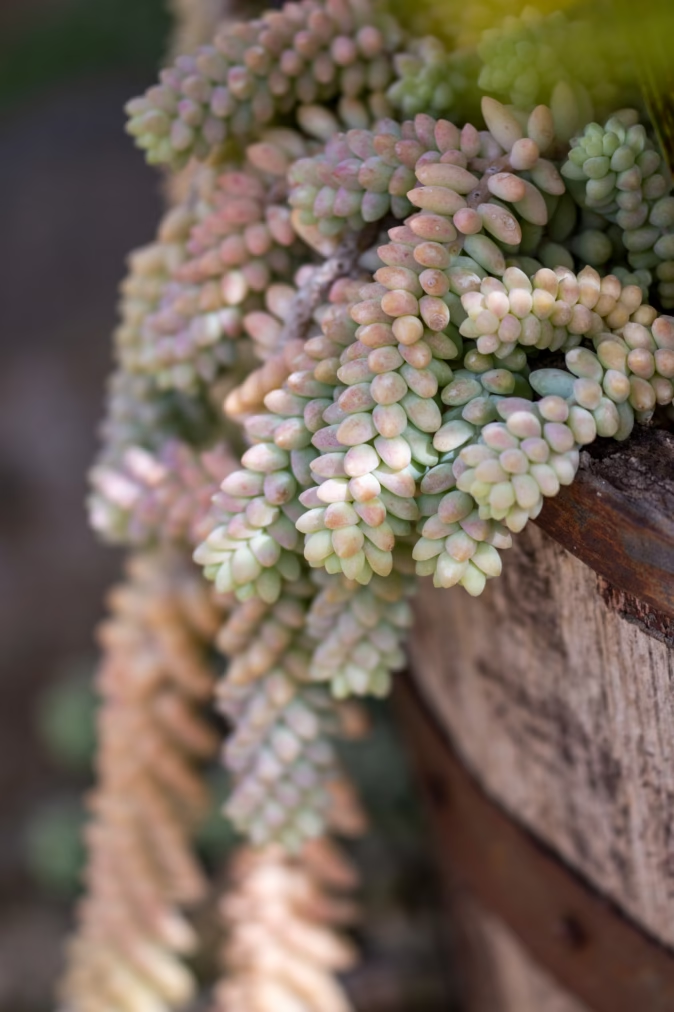
Burro’s Tail (Sedum morganianum)
A trailing succulent with plump, bead-like leaves that often cascade over the edge of pots. It’s non-toxic to cats, making it a safe choice for hanging planters or high shelves. Beware; the leaves are fragile and easily fall off when touched, so you may want to keep it out of reach anyway if your cat is nosy.
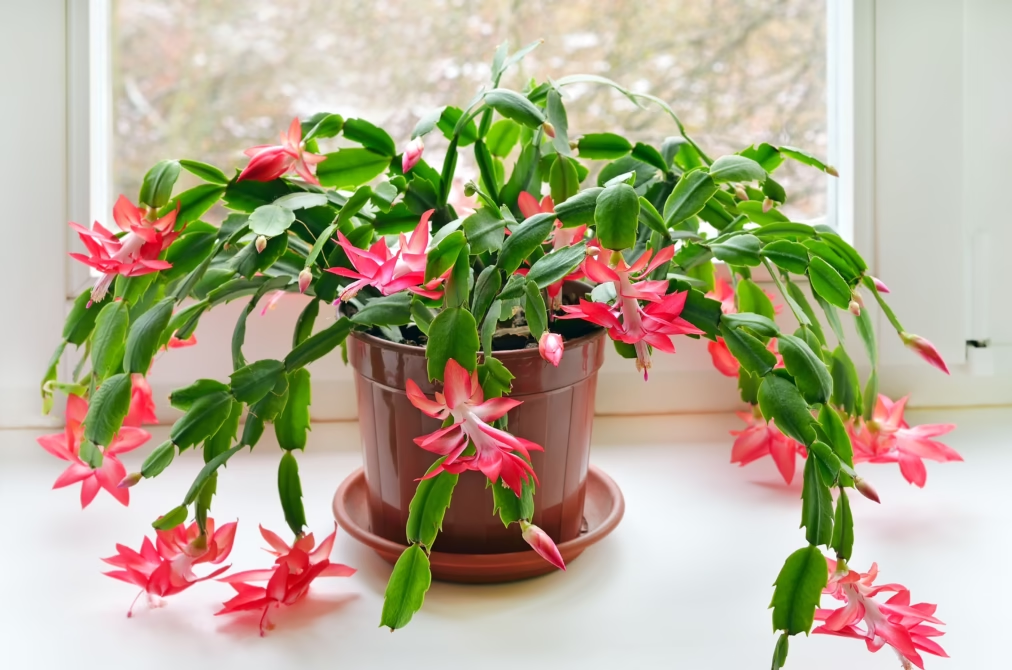
Christmas Cactus (Schlumbergera)
Often confused with other cacti, the Christmas Cactus is a tropical plant with bright, festive blooms (and no spines!) It’s non-toxic to cats. While it’s technically not a “true” succulent, it’s often grouped with them because of its water-retaining leaves. A beautiful, pet-safe option that adds color to your home.
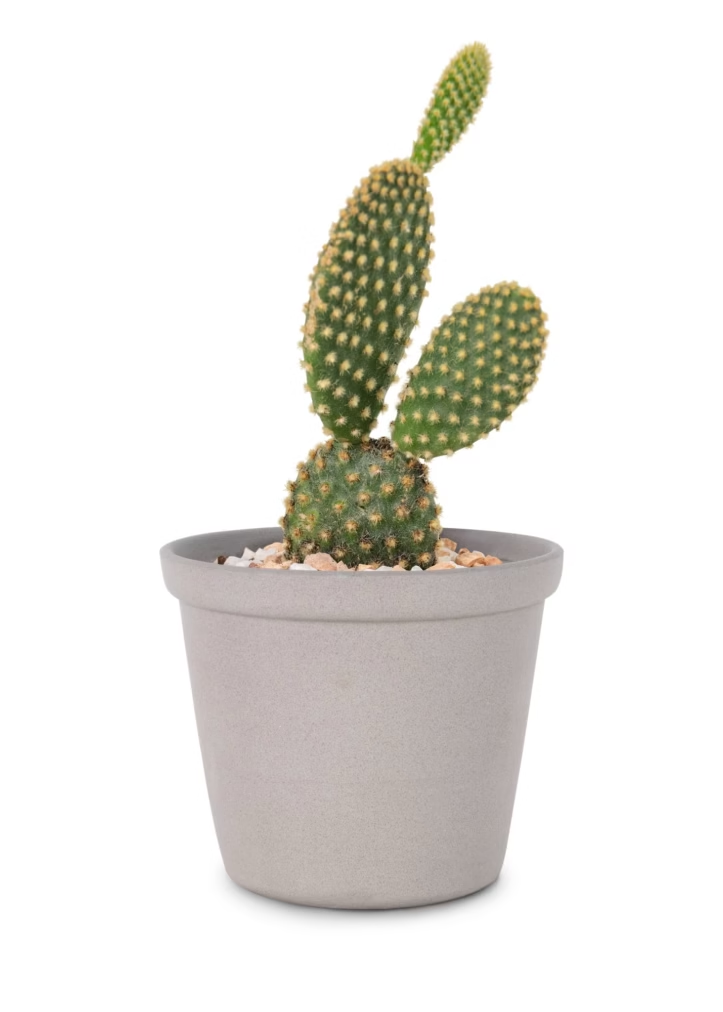
Opuntia (Prickly Pear Cactus)
Some varieties of Opuntia, or Prickly Pear Cactus, are considered non-toxic to cats, however they come with a big caveat: their spines can injure curious paws or noses. If you want to have this plant, opt for spineless or “glochid-free” varieties and place them well out of reach. They’re technically safe in terms of toxicity, but they may still pose a physical hazard.
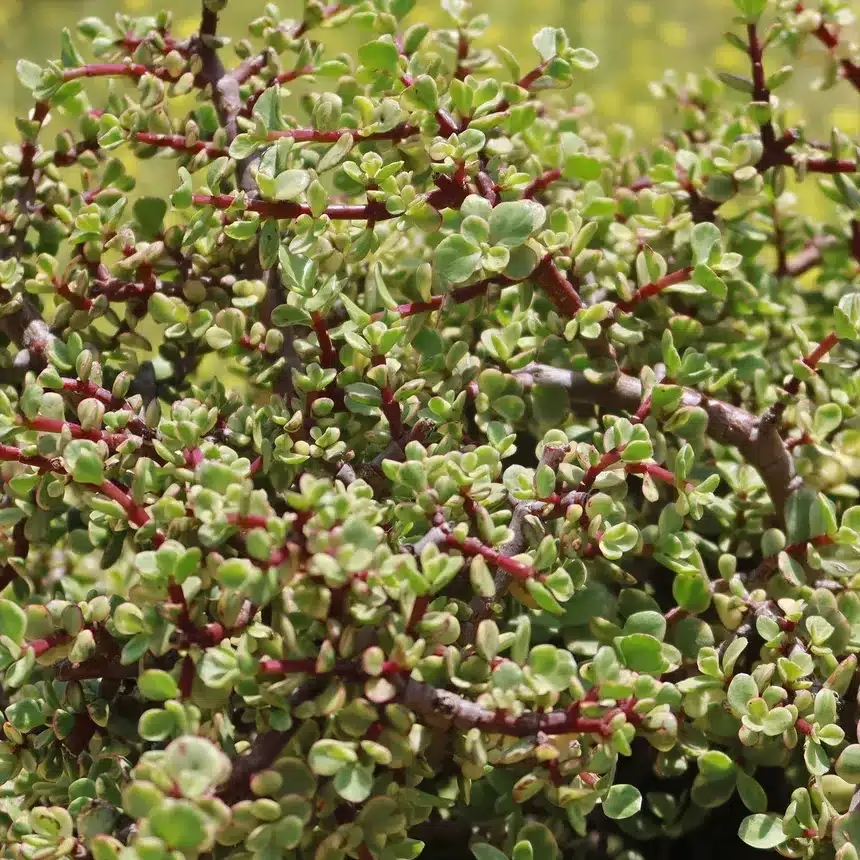
Rainbow Elephant Bush
Portulacaria afra ‘Variegata’, a stubby, perennial shrub with reddish-brown stems and fleshy white leaves. Completely non-toxic to cats! However, it can easily be confused with Portulaca oleracea, which is toxic . Be aware!
Remember: even safe plants may cause mild stomach upset if chewed, but they’re not poisonous.
Succulents That Are Toxic to Cats
Here are some of the most commonly found at home succulents that can be truly threatening to your cat:
Aloe Vera X
A common household succulent that unfortunately contains saponins that can cause vomiting, lethargy, and diarrhea in cats. While it’s great for humans, it’s best kept out of your cat’s reach.
Jade Plant (Crassula ovata) X
They may look harmless, but are toxic to cats. Ingesting jade plant can lead to vomiting, uncoordinated movement, and even slowed heart rate in some cases.
Pencil Cactus (Euphorbia tirucalli) X
This plant’s milky sap is highly irritating. Contact can cause mouth and skin irritation, drooling, or even eye damage. It’s best to avoid Euphorbia species entirely if you have cats.
Kalanchoe X
Kalanchoe contains compounds that are toxic to cats. Even small amounts can lead to vomiting, diarrhea, and heart rhythm changes. The Pet Poison Helpline often lists this plant as a common poisonous plant.
Snake Plant (Sansevieria) X
Often mistaken for a succulent, the snake plant is mildly toxic to cats. Chewing it can cause nausea, vomiting, and digestive upset—so it’s safer to skip this one altogether.
Remember, with most of these and others, toxicity will vary depending on amount ingested.
Is the plant you were looking for not here? Check the full ASPCA list.
Other Dangers Beyond the Plant Itself
The plant can sometimes be the last thing you need to worry about. Also look out for:
- Potting Soil: Some contain fungicides or pesticides that can be harmful. Chemical-free and all-natural soils are the best for your cat, you can go with a natural mix rich in perlite to be 100% sure.
- Fertilizers: Its ingestion can cause toxicity. Fertilizer is not even as necessary as in other plants.
- Planters: Some decorative planters with pointy tips or sharp edges can pose physical danger to your kitty.
- Mold: Moist environments may harbor mold that’s dangerous for cats if ingested or sniffed.
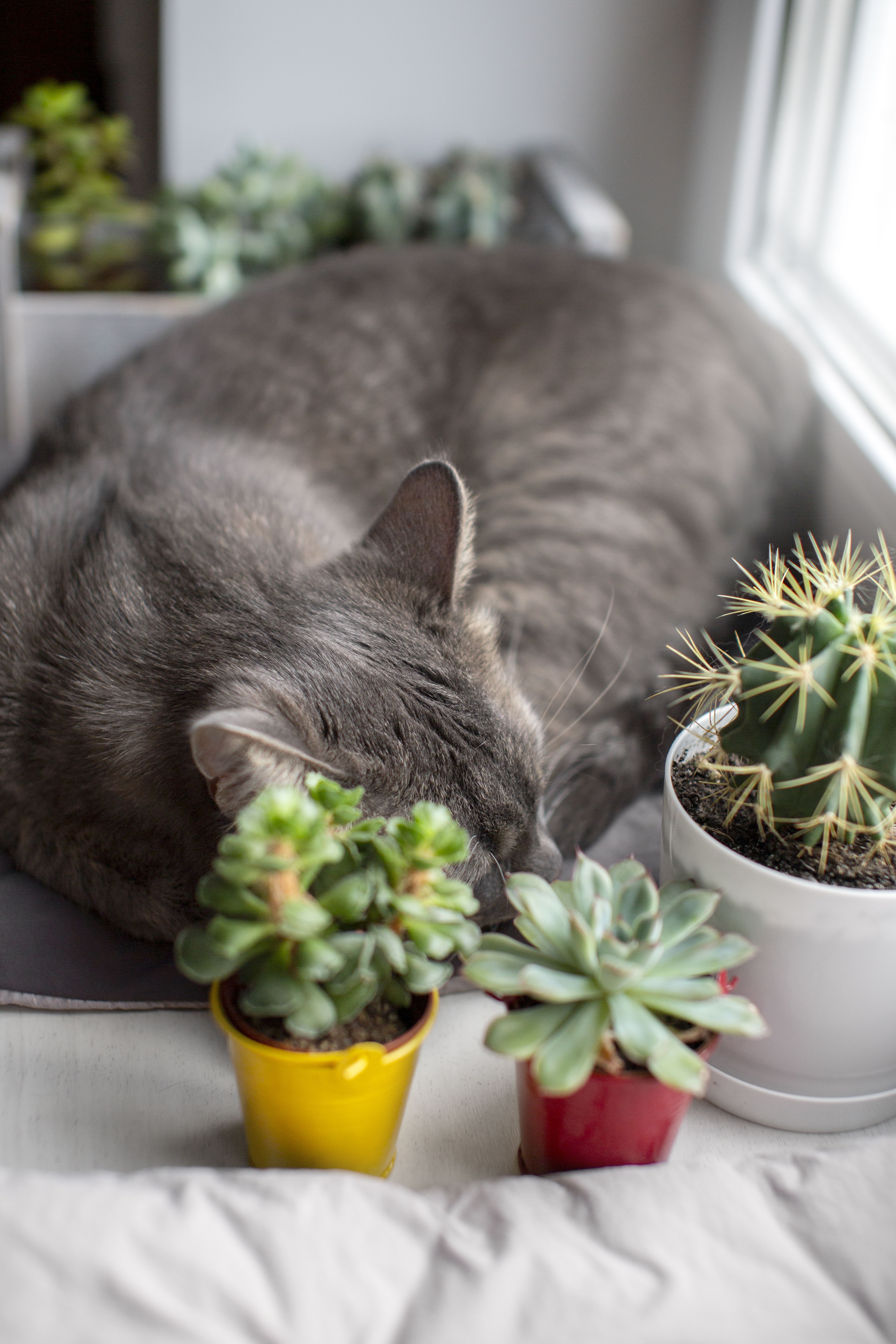
Quick Tip: If unsure, keep plants in hanging pots or behind barriers.
Unexpected vet bills can easily reach hundreds or thousands of dollars. Many cat owners compare pet insurance options before an emergency happens
Tips to Keep Cats Safe Around Plants
- Place toxic plants out of reach – or even better, skip them entirely if you don’t have them already
- Use hanging planters or place your succulents on high shelves your cat can’t reach
- consider deterrents if your cat is too nosy, try going natural with citrus or mint.
- Offer cat grass instead!
FAQ’s
What is the most toxic house plant for cats?
Lily—especially toxic and potentially fatal.
Are Echeveria toxic to cats?
No, Echeveria is considered non-toxic to cats.
Are succulents toxic to cats ASPCA?
Some are; always check individual plants on ASPCA’s site.
Can cats live with succulents?
Yes! if you choose non-toxic types and place them safely, as we exposed.
Final Thoughts
As we’ve seen, cats and succulents CAN live under the same roof! But not all of them, or at least not at paw’s reach.
It’s always in everyone’s best interest to keep them out of reach, unless you have a succulent you are 100% sure it’s safe, try to always keep some distance between your kitty and any plants you have. Awareness is key!
If unsure, always check trusted sources like the aforementioned ASPCA and Pet Poison Helpline.