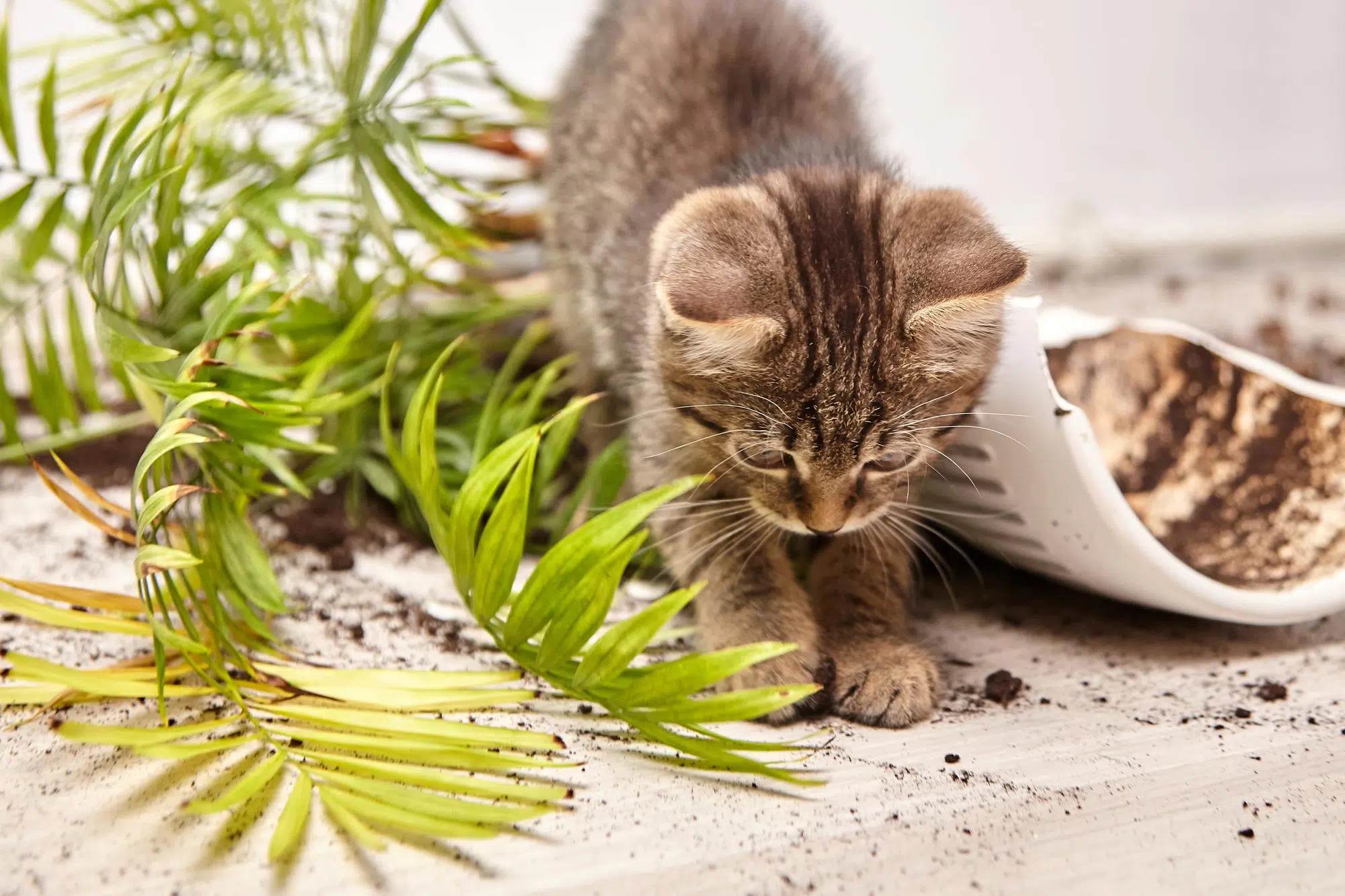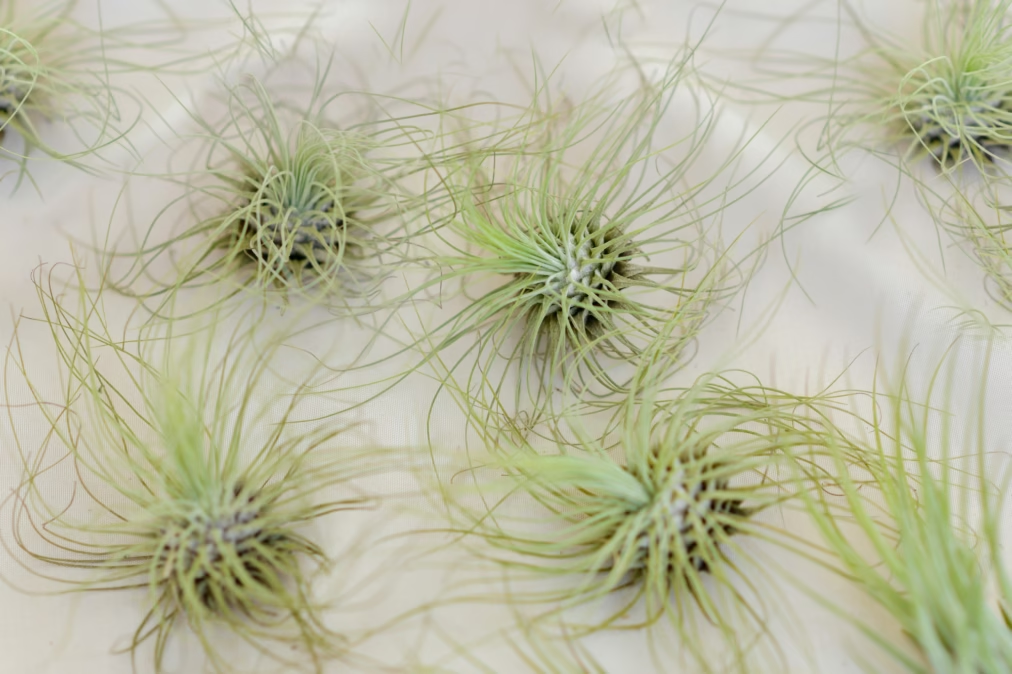
TL;DR: Yes, air plants are non-toxic to cats. This doesn´t mean they are risk free though!
Tillandsias are not listed as toxic to cats by the ASPCA, but this doesn’t mean they are completely safe.
Separating toxicity from ingestion, there are a few things to consider if your feline friend nibs or bites this type of plant. The good thing is that in most cases it’s nothing to worry about, as we will see shortly.
What are Air Plants?
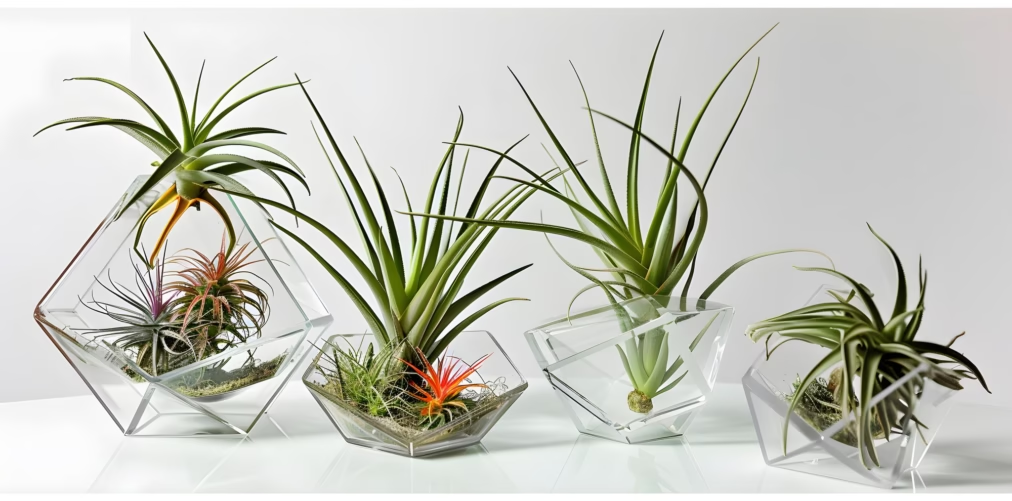
Air plants, or Tillandsias as they are really called, are known for growing without the need of soil. They do have roots, which they use to attach to a supporting object. However, these plants obtain their necessary nutrients from the air.
You can start to see why air plants are ideal for cat owners right? no soil, no mess! Furthermore, these plants are low-maintenance, while being aesthetically pleasing.
These facts make them ideal if you need to pay more attention to your feline friend, or plants aren’t your thing (I have a hard time even with keeping my succulents alive)
Are Air Plants Toxic to Cats?
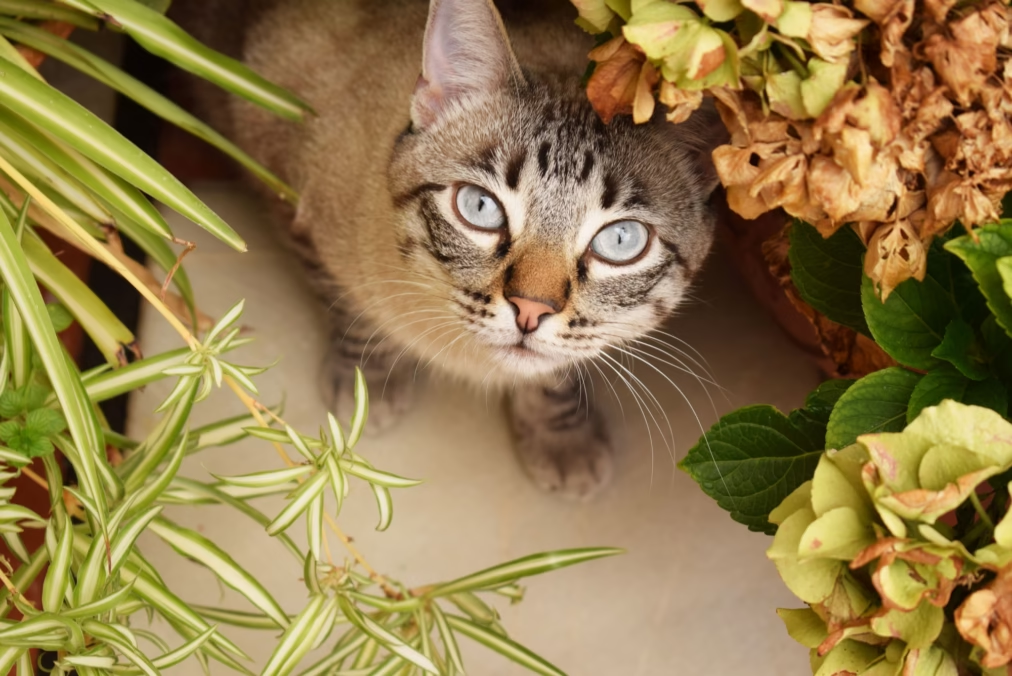
Air plants are not listed as toxic to cats. So they will generally be okay if they happen to grab a bite.
Non-toxic doesn’t mean risk-free. Aside from toxicity, one should also consider the physical risks, which fortunately are few and in most cases, nothing to worry about:
- Stomach upset: Ingesting any plant can cause a cat a mild stomach upset, since they have a hard time digesting plant fiber.
- Choking hazard: Although rare, it’s important to consider there is a choking hazard present if your cat has easy access to the plant, especially if you have an anxious cat that likes to chew on things.
What Happens If a Cat Chews an Air Plant?
Generally it will be nothing to worry about, but watch out for:
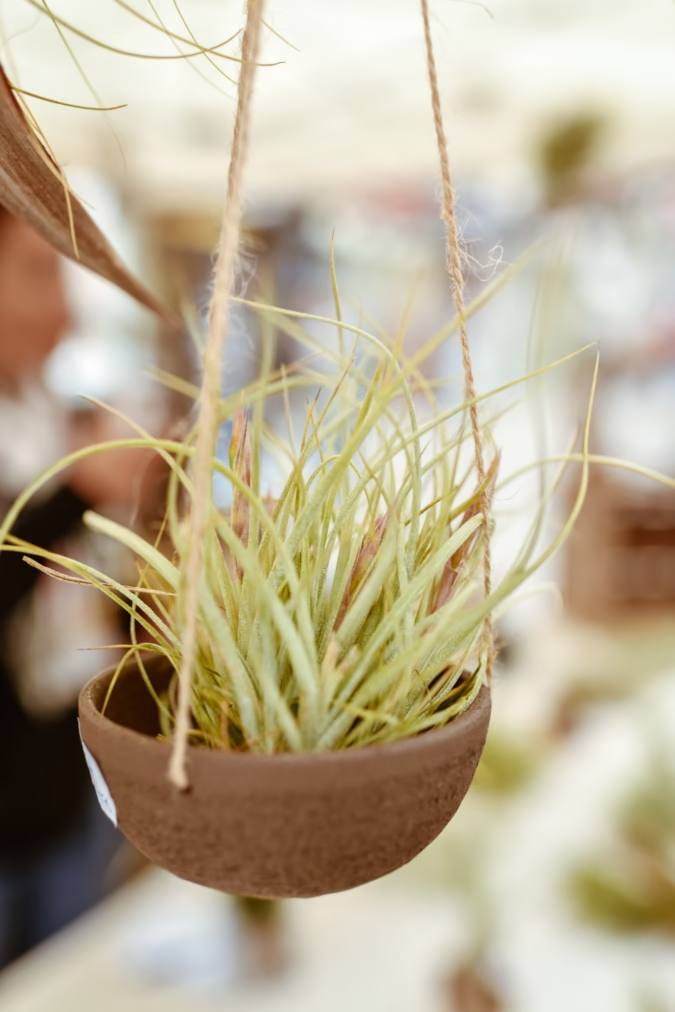
- Possible mild stomach upset
- Gagging or vomiting as a result of plant fiber ingesting
- Choking risk. Although rare, it’s important to consider.
What to Do If Your Cat Eats an Air Plant
- Don’t panic! You cat will notice and we want them relaxed.
- Remove remaining plant pieces, or change its placement
- Monitor for symptoms: is your cat vomiting or gagging? are they using the litter box as usual?
- Calling/visiting the vet: As this is a non-toxic plant, your cat will probably get better all by themselves after a short while. If symptoms don’t go away by the next day you’d probably want to call your vet. If choking, take your cat to the vet immediately.
How to Keep Air Plants Safely in a Cat Home
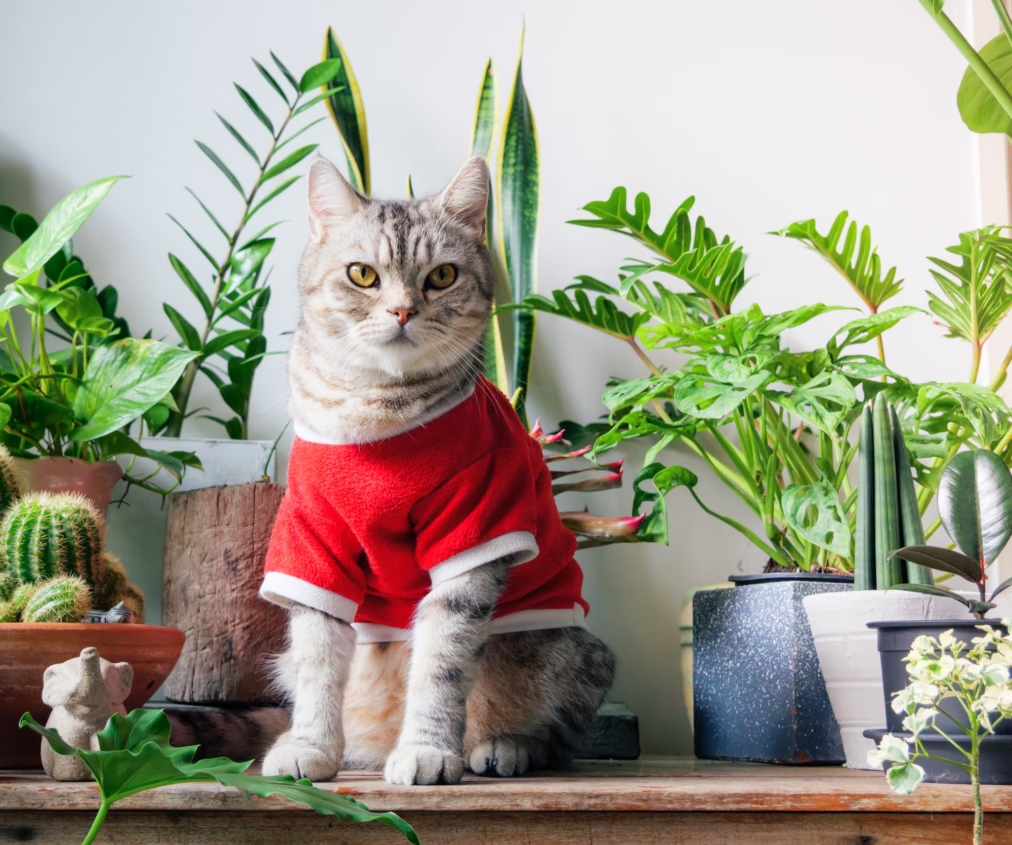
Air plants and cats can coexist peacefully! Here are a few tips:
- Place air plants in high places so cats can´t reach them.
- Add physical barriers, try to make your cat forget about the plants existence!
- Use natural cat deterrents. Mint and citric scents are ideal.
- Avoid dyed air plants
Safe Plant Alternatives
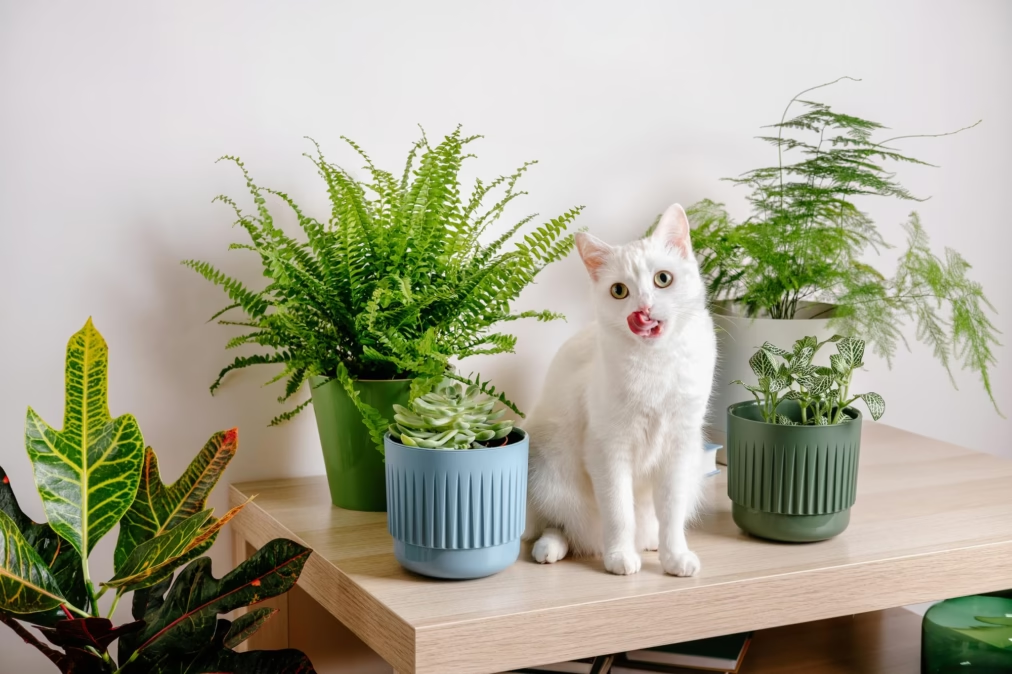
While air plants are generally safe enough, if you want a low maintenance plant that looks good while being harmless to your cat, succulents are great! Here are some non-toxic, cat friendly succulents:
- Echeveria
- Haworthia
- Opuntia
- Burro´s tail
I have an article covering succulents in detail. I recommend you check it out!
Conclusion
To conclude, the main takeaway is that Air plants are generally safe for your feline friend.
For them to be harmless in every way, supervision and proper placement are mandatory. Do you have air plants at home? Are you considering getting one or some? Let other cat parents know your favorite, cat safe plants!