

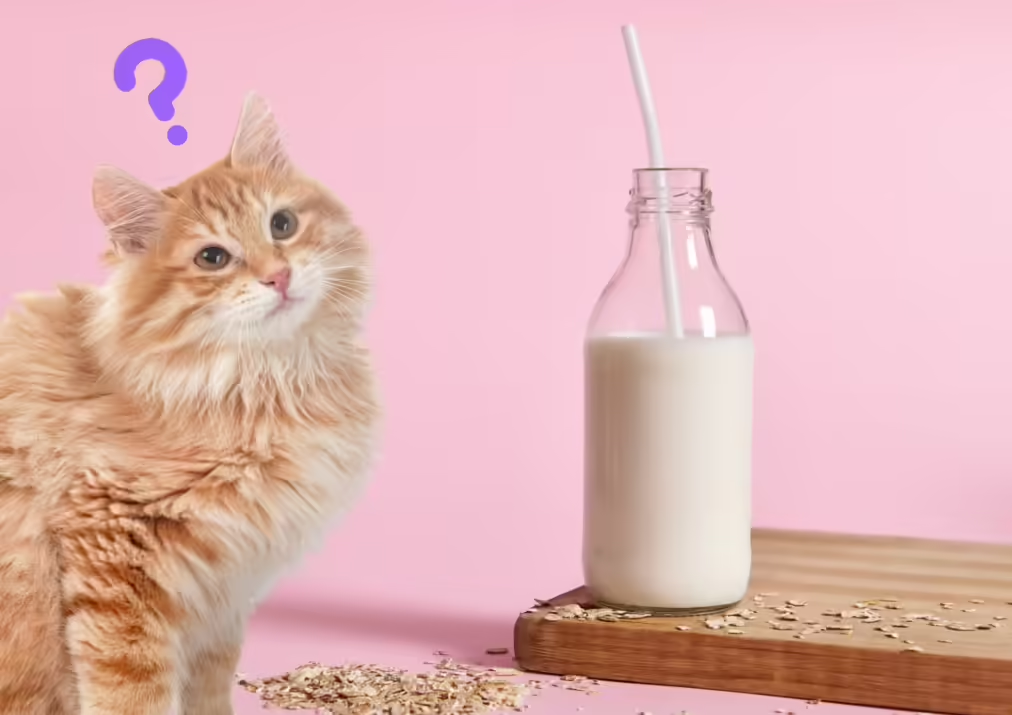
Did you know that 7 out of 10 adults under 35 prefer plant-based milk over cow’s milk? So, if you were wondering if you could share a cup of oat milk with your furry friend and end up here, you are likely a Millennial or Gen Z Cat parent!
Even if it’s not the most popular vegan alternative to dairy competing with almond, coconut, rice, soy and probably other exotic milk alternatives, oat milk has won the hearts of some because of what they considera superior taste.
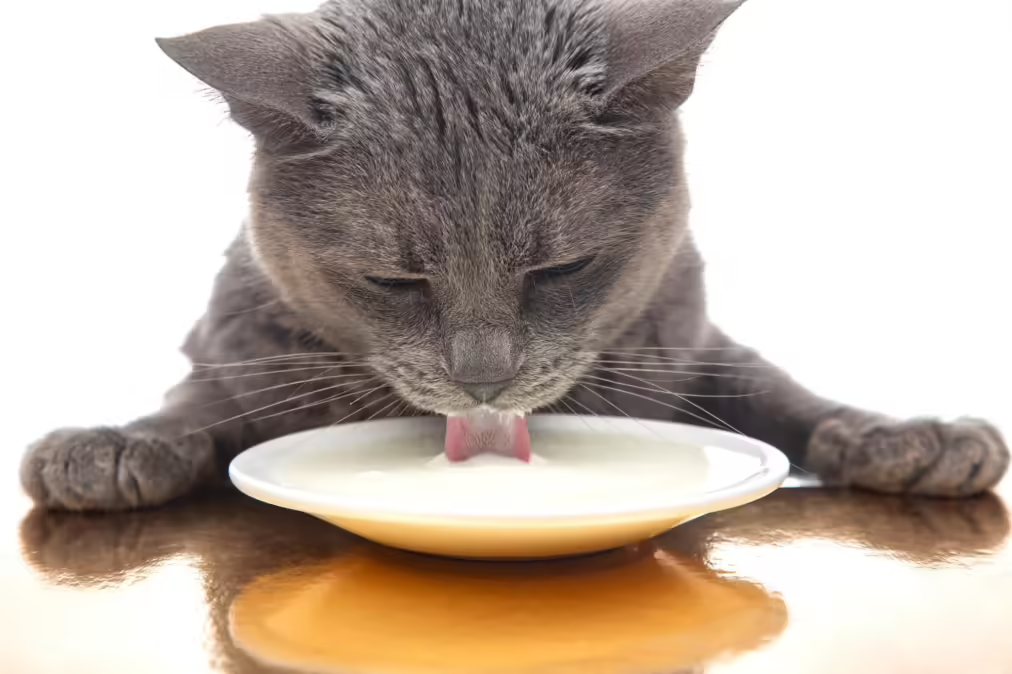
However, sharing it with your cat won’t be as easy as offering it to them and seeing if they like it, then leaving a full bowl for them to feast on. So, the questions arise: Can cats drink oat milk? Is oat milk safe for cats? The short answer is yes, cats can drink oat milk but only in moderation, maybe as an occasional treat. But there’s more to it; important risks and some potential benefits you must know.
Keep reading to learn more! Feel free to use our table of contents below to jump right to what interests you.
Understanding Cat Nutrition
To understand when, how and if we can serve our cats oat milk, we have to cover the basics first.
Cats have specific nutrition requirements. When it comes to macronutrients, their diet should consist of a high amount of protein, a moderate amount of fat, and the slightest amount of carbohydrates. Cats don’t need carbohydrates to maintain a healthy diet. However, many commercial foods will contain enough or more carbs than what your cat actually needs. This is an important clarification since your cat could already be consuming enough carbohydrates, so giving them more it’s not ideal.
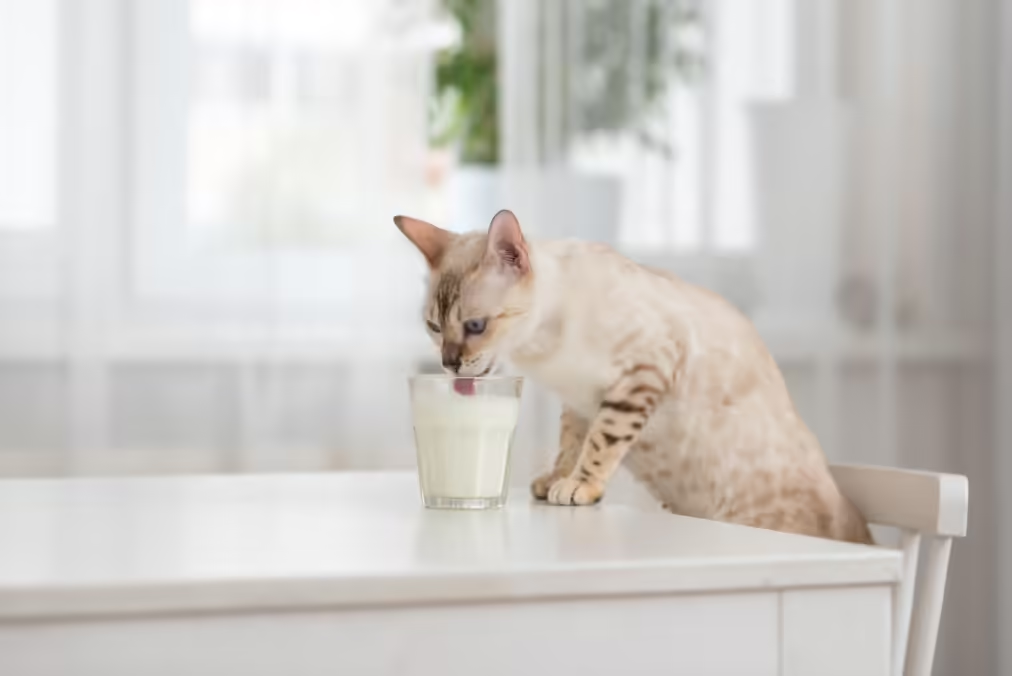
Apart from the ideal macronutrient composition of your cat’s menu, it’s generally recommended that they follow a meat-based diet. Did you know that cats are obligate carnivores? This means that they get most of the nutrients they need from meat-based meals.
While plants are not prohibited, they generally contain unnecessary nutrients or ones that would be great for cats, but their digestive system is just not adapted to process plant-based foods. Plants also tend to be higher in carbohydrates than in other essential macronutrients for cats like fat or protein. This inability to process some of mother nature’s produce can sometimes cause gastrointestinal issues in cats that can lead to vomiting and diarrhea.
The Avena Sativa is the plant from where oats come from, and while oats are rich in protein and in theory, cats would benefit from it, likely, they aren’t able to process that protein at all. But what about oat milk?
Is Oat Milk Safe for Cats?
This nutritious substitute for cow milk provides many benefits for the average human diet but unfortunately, cats’ needs don’t align with ours. While oat milk is safe for cats in the sense that it contains no toxic ingredients for them, it has little to no nutritional value for an obligate carnivore animal.
A one-cup serving of oat milk contains about 4 grams of protein and 2.5 grams of fat, while this seems great for a cat at first glance, these numbers are opaqued by the 15 grams of carbohydrates a cup contains. As carbohydrates aren’t a necessity for cats, and plant-based proteins and fats are hard for cats to digest, oat milk doesn’t bring anything to the table for our feline friends, at least in terms of nutritional value.
That being said, if your cat loves it, it’s way better to allow them to have a sip of oat milk rather than cow’s milk for sure! Did you know that most cats are lactose intolerant? Oat milk being lactose-free makes it a safer drink in comparison. Therefore, cow’s milk is entirely out of the question for our kitties, despite what popular culture has led us to believe.
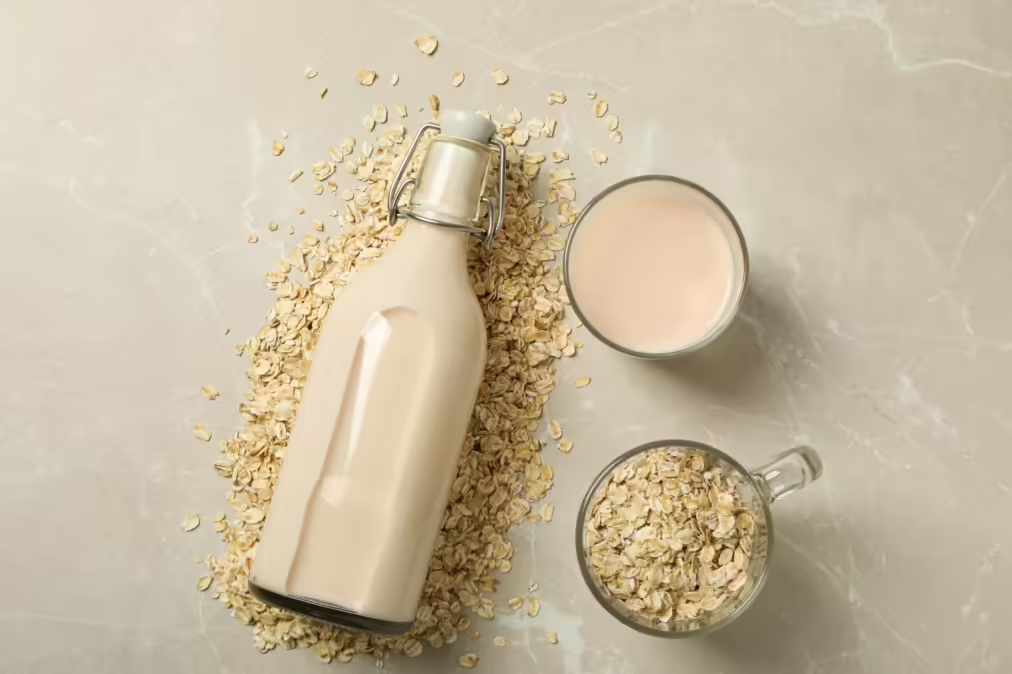
Are There Any Benefits To Cats Drinking Oat Milk?
There are not enough studies or tests that conclude if cats can extract benefits from oats. However, we can mention some potential benefits:
- High in fiber: Among other non-dairy options like rice or almond, oat milk has the most fiber per cup. Fiber is essential for cats, as it helps with overall gastrointestinal health. Even if oat milk is not the best source of fiber for cats, it’s important you offer your feline friend some, maybe in the form of cat grass.
- Source of Fats and Proteins: Even if we aren’t 100% sure if cats can process it, these essential macronutrients are there.
- Taste: Most cats seem to love oat milk, and if given as an occasional treat, it will do no harm to the majority of cats. You may think this happens because of its sweetness, however, cats can’t taste sweet, so it must be something else they love about it.
- Lactose-free: If your cat dies for dairy, this can be an ok treat to calm things down every now and then. It’s definitely better than cow’s milk!
Risks of Feeding Oat Milk to Cats
- High carbohydrate content: Cats don’t need many carbs, and oat milk has a bunch, more than 50% of the macronutrients present in a cup of oat milk are carbohydrates, when cats should have only 10% at most. This can create a nutritional imbalance that can lead to malnutrition and illnesses.
- Gastrointestinal Issues: Too many carbs can also cause a lack of protein digestion efficiency. Your cat could end up having diarrhea, vomiting, and/or bloating.
- Added Sugars: Store-bought oat milk can contain added sugars, salt, preservatives, and flavorings. Consuming large amounts of sugar increases the risk of diabetes, heart issues and weight gain. Calories are easier consumed in liquid form, so your cat may not notice how much it’s drinking, but an oat milk binge can be critical to their health. This is hardly an issue if only served occasionally though.
- Allergies: Cats can be allergic to some foods and drinks. If your cat has an allergic reaction while drinking oat milk, you shouldn’t offer it to them anymore, and if you can, paying a visit to the vet is ideal.
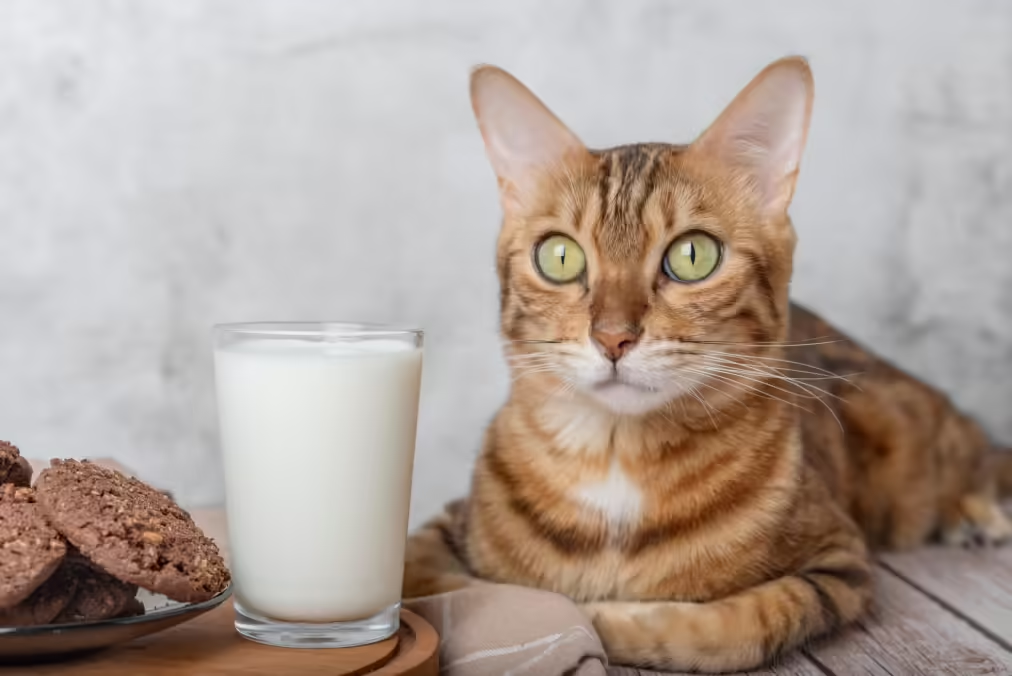
Most cats, however, should be ok if you only offer them oat milk as an occasional treat, never as a replacement of water or anything else.
Signs That Show Your Cat Drank Too Much Oat Milk
Although it’s hard to tell if you think your cat drank too much oat milk, try to identify unusual behaviors. Some cats can evacuate around the hose, outside their regular area. Others may incur in protective habits, like hiding in those spots of the house where you never find them.
How Much Oat Milk Can Cats Have?
Keep it small: A tablespoon or two can be offered as an occasional treat. However, never make it become part of your feline friend’s regular diet.
Before introducing oat milk or any new food into your cat’s diet, it’s best to consult with a veterinarian to ensure it’s safe and appropriate for your pet. Always prioritize a balanced and meat-rich diet that meets all of your cat’s nutritional needs to keep them healthy and happy.
If you want to give your cat a small hydration boost, another trat you can try is coconut water.
FAQ’S
Is Oat Milk Better Than Cow’s Milk for Cats?
Most cats are lactose intolerant, and consuming even small amounts of milk or dairy products can lead to digestive problems, including diarrhea and stomach upset.
Oat milk, on the other hand, is often chosen over cow’s milk as a lactose-free and vegan alternative. Does this mean oat milk is a good drink for cats? Not necessarily. However, some cats simply love it, and there’s no reason not to allow them to have a sip now and then. If you are planning on offering this beverage to your cat, it’s best to go with unsweetened oat milk alternatives in order to avoid giving your feline friend an excess of sugar.
Can Cats Drink Oat Milk As a Treat?
Definitely yes. oat milk as a treat should be the only way you offer this drink to your cat if you want to avoid its downsides.
Can kittens Drink Oat Milk?
No, kittens should never drink oat milk. A kitten should only drink their mom’s milk until he’s ready to start eating solid foods. Even after the six-week period it’s not recommended to have a kitty consume anything outside their vet-assigned diet.
Conclusion
Although it’s not a realistic alternative to food nor water, oat milk makes for a somewhat ok treat for cats. The good thing is that if your furry friend loves oat milk, you don’t have to prohibit it to them. Just remember it should only be an occasional treat, and stick to their usual diet!
Has your cat tried oat milk? How was the experience? Let other readers know what to expect!
Click here to read our complete guide to What Can Cats Drink Besides Water!
ALSO READ:

Thoughtful breakdown here — I appreciate how you emphasized not just the lactose-free advantage of oat milk but the bigger issue of carbohydrate load for obligate carnivores. One thing I’ve found interesting while researching this topic is how many cat parents assume plant-based equals pet-safe by default, especially with the rise of “healthier” dairy alternatives. But as you noted, a cat’s digestive system isn’t built to handle plant-based drinks, no matter how trendy they are for us.
I’d also add that beyond GI upset, there’s a missed nutritional opportunity when treats like oat milk sneak in. Since cats require taurine, arachidonic acid, and animal-based proteins, even a harmless-seeming indulgence like oat milk can subtly displace what they need in their diet, especially in homes where human foods become frequent treats. I explored this angle in a guide recently and was surprised by how many commercial oat milks sneak in additives like vitamin D2 (instead of D3) and oils, which aren’t ideal either. https://catsquestion.com/can-cats-drink-oat-milk/