

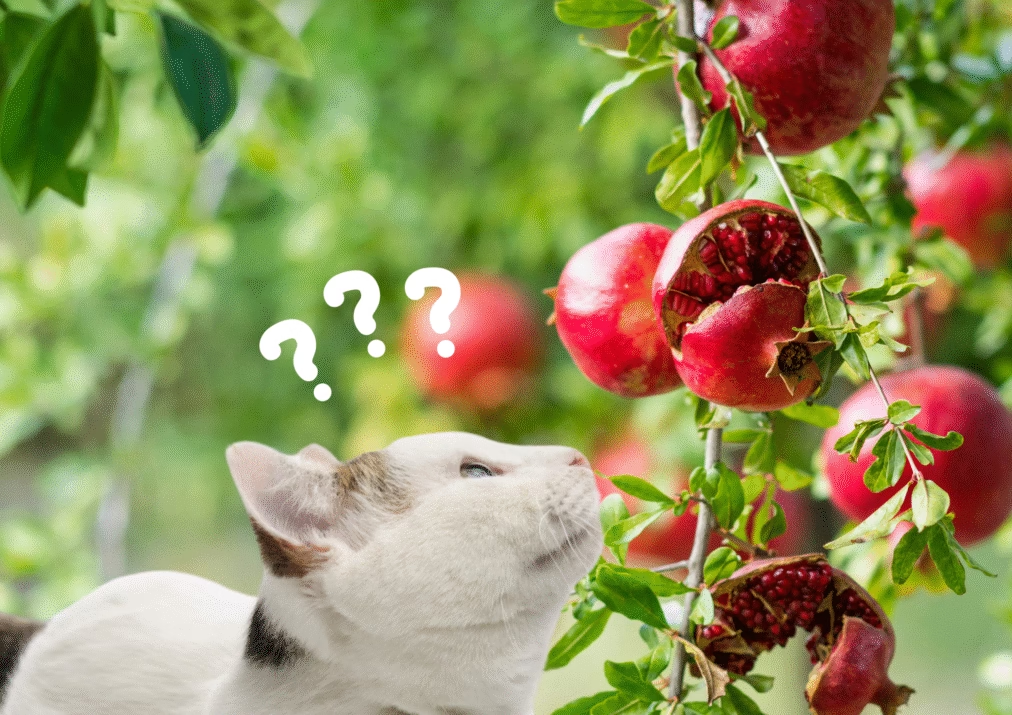
Did you know that the city of Granada in Spain is named after the Spanish word for pomegranate? This is only one of many facts that make this fruit a very special one.
We usually look for this fruit because of its amazing benefits and nutrient profile, but as you may know, what´s great for us usually isn’t for our feline friends. You’re probably wondering: Is pomegranate safe for cats? The short answer is yes, pomegranate is safe for cats to eat. Nevertheless, you should be mindful of serving sizes and the best ways to offer it to cats to avoid any potential risks.
In this article, we explain what those risks are and the potential benefits of feeding pomegranate to your cat. Finally, we answer some frequently asked questions about this topic.
What Is Pomegranate?
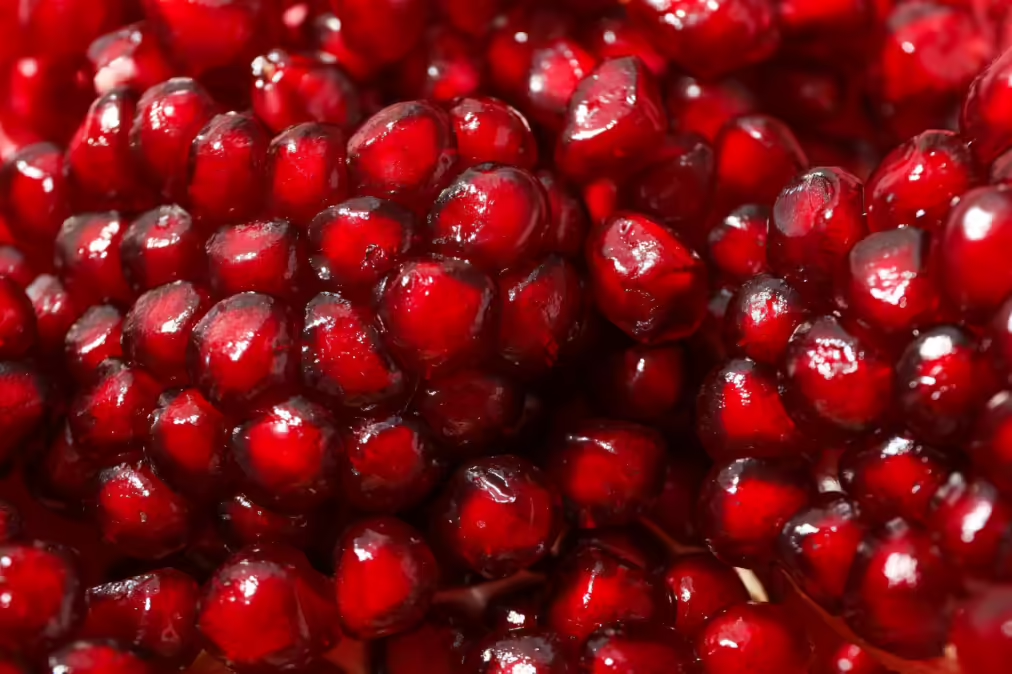
Pomegranates are exotic, round, red fruits. The inner seeds are called arils, which are very juicy and crunchy, and these are often eaten fresh. The juice that arils contain is the source of grenadine syrup, which is used in liqueurs and flavorings as well. I used to drink grenadine as a kid. It once was a popular drink, so you’ve probably tried it yourself too!
These scarlet fruits are packed with nutrients, which means many health benefits for humans. Pomegranates are high in vitamins, minerals, antioxidants, and fiber, while being low in fat (See USDA FoodData Central for the full nutrient profile).
Can Cats Eat Pomegranate?
Cats can eat pomegranate, as it’s not toxic to them. However, one thing is allowing your cat to taste it or have a few seeds occasionally; a completely different one is replacing your usual cat’s diet with it. Moderation is key here, as it is the case with every other fruit and vegetable cats can eat since they are not the primary source of nutrients for them.
Feline nutrition works so that carbs are secondary compared to fat and protein. A cat’s diet should consist of only 2-10% carbohydrates. These tend to be abundant in most fruits and vegetables. While pomegranate is not as high in this macronutrient as other fruits, it’s something to take into consideration. Cats are also obligate carnivores. What does this mean? They get most of the nutrients they need from meat-based diets, and these are often preferred over plant-based diets. Therefore, a cat’s digestive system is not able to process this kind of food, so a pomegranate binge could end up in gastrointestinal issues, manifesting in the form of vomiting or diarrhea. The good thing is that pomegranate is very low on calories, so in case your cat eats a bit more than what they should, they’ll probably be fine since it won’t break their nutritional balance so easily.
Do Cats Like Pomegranate?
Hard to tell, as cats are often picky, and while some enjoy it, others couldn’t care less. What we can assure you is that if they like it, it’s not because of the sugary taste since cats aren’t able to taste sweet. Also, it’s usually not a good idea to give any food containing sugar to your cat, considering it can be toxic if they consume too much. The exact amount varies, but it’s recommended to stay away from it entirely to be sure.
If they don’t like it, don’t insist! In the end, they are better off sticking to their usual diet. If you want to offer them fruit, you can try with more cat-friendly fruits like blueberries, as they are considered safe for cats to eat as well.
Potential Benefits Of Feeding Pomegranate to Your Cat
As there are no studies thorough enough to ensure any positive effects on cat’s health from eating pomegranate, we will share the potential benefits based on the available knowledge about this fruit and cats needs.
- Antioxidants: Pomegranate houses a good deal of Vitamin C, known for combating the oxidization of cells and promoting overall health. That being said, cats don’t have a need for additional quantities of this vitamin, why additional? because they synthetize their own Vitamin C in the liver, eliminating the necessity of extracting it from food.
- Fiber: This juicy fruit is an amazing source of fiber, which cats need a lot of to stay healthy.
- Low calories: Low calories + fiber = a full cat that won’t get chonky anytime soon. Apart from this, pomegranate has no saturated fats nor cholesterol.
- High water content: If you struggle with keeping your cat hydrated, the high water content of the fruit can give a tiny water boost to your feline friend.
Having a hard time trying to keep your cat hydrated? take a look at our list of what can cats drink besides water
Potential Risks of Feeding Pomegranate to Cats
As it’s never black and white, here’s the list of potential risks you could face if you plan on serving pomegranate to your cat:
- Choking hazard: Pomegranate’s arils can be a serious choking hazard to cats, as it is the case with other seeds. You can mash them to prevent this.
- Digestive upset: Arils contain acids that can prove difficult for a cat’s digestive system to process. This is one of the reasons we recommend only offering pomegranate in small amounts, as this will prevent your cat from having gastrointestinal issues that can end up in vomiting or diarrhea.
- Allergies: Not all cats are equal, and some may be allergic to pomegranate. Be aware of allergic reactions and look up for symptoms such as itching and skin irritation.
- Lack of nutritional balance: This fruit is not a part of any cat’s natural diet. Therefore, it doesn’t offer the nutrients cats need. Do not replace any of your cat’s foods with pomegranate as this will create an imbalance and make your cat lack essential nutrients, exposing them to illness and malnutrition.

RELATED: What vegetables can cats eat?
How to Safely Offer Pomegranate to Your Cat
Now that you know the risks and potential benefits, it’s time to go over the best way to safely give pomegranate to your cat:
- Only serve as an occasional treat: Don’t make it part of their regular diet!
- Small amounts only: The crimson fruit is safe for them only when you serve just a few seeds.
- Stay close while they eat: This will allow you to detect any allergic or adverse reactions.
- Keep it natural: Avoid store-bought juices and processed fruit, as these can only bring more downsides for your feline friend.
- Cut the seeds: This will prevent choking, eliminating one of the bigger risks.
Frequently Asked Questions (FAQ)
Can cats have pomegranate juice?
Yes, in moderation. Always made at home and preferably diluted in water to lower the sugar amount.
Do cats like the smell of pomegranate?
This will vary between cats, it will repel some, but others might enjoy it, albeit a small minority.
What should I do if my cat gets an allergic reaction to Pomegranate?
Go to a vet as soon as you can and don’t feed it to your cat anymore.
Can Kittens Eat Pomegranate?
No. A newborn kitty should never have anything but their mom’s milk. After six weeks, they can start having cat food, but even then it’s not recommended to give them any fruit.
Conclusion
Pomegranate can be an occasional treat for cats that love it. The miraculous fruit for humans should not be considered as such for cats, but they are fortunately allowed to taste it only to satiate curiosity. Just remember that you should never replace your cat’s food with this exotic fruit!
Has your cat already tried Pomegranate? did they like it? Share your experience and let others know what they can expect.
ALSO READ: Can cats eat dates?



Appreciate the balanced perspective you’ve laid out here — it’s refreshing to see a post that acknowledges both the curiosity pet parents have about “human superfoods” and the biological realities of feline nutrition. One nuance I’d add is about the antioxidant conversation: while pomegranates are rich in compounds like punicalagins and ellagic acid, cats, as obligate carnivores, lack the pathways to effectively metabolize many plant-based antioxidants. Even the touted fiber benefit can be a double-edged sword since feline digestion isn’t optimized for plant material, and too much can disrupt nutrient absorption.
In my deep dive on this topic https://catsquestion.com/can-cats-eat-pomegranate/, I found that while a lick of diluted, unsweetened pomegranate juice might not be harmful for a healthy adult cat, it offers negligible nutritional value, and the risks (like sugar content and acidity) tend to outweigh any minor hydration perk. Curious if you’ve come across any cases where a cat showed a preference for pomegranate, or if it’s more owner-driven experimentation?